Health And Wellness
How Long Can Cannabis Be Detected in the Body? A Comprehensive Guide


Cannabis remains one of the most widely consumed substances in the world, used for both medical and recreational purposes. Whether for legal compliance, employment screening, or personal curiosity, many users wonder: How long does cannabis stay in your system?
The answer isn’t simple. Unlike alcohol, which leaves the body relatively quickly, cannabis compounds can linger for days, weeks, or even longer, depending on a wide range of factors. These include the type of drug test used, how frequently the individual uses cannabis, and even their metabolism.
This guide breaks down the science behind cannabis detection, the types of tests used, and what influences how long cannabis stays in your body.
What Are Drug Tests Detecting?
When you consume cannabis, the body processes delta-9-tetrahydrocannabinol (THC)—the main psychoactive compound—into various metabolites. The most commonly measured is THC-COOH, a non-psychoactive byproduct that accumulates in fat tissues and is gradually eliminated.
Drug tests don’t usually look for THC itself, especially in blood or urine. Instead, they detect these metabolites, which can remain long after the effects of cannabis have worn off.
Detection Windows by Test Type
Different drug tests vary in sensitivity, detection methods, and timeframes. Here’s a breakdown of the most common ones and how long after use cannabis can be detected.
1. Urine Test
- Most common test for workplace and legal screenings
- Detects THC-COOH
- Detection window:
- Single use: 1–3 days
- Moderate use (3–4 times/week): 5–7 days
- Frequent use (daily): 10–15 days
- Chronic heavy use (multiple times daily): 30+ days
Urine testing is favored due to cost-efficiency and a relatively wide detection window. However, it does not measure impairment—only past usage.
2. Blood Test
- Less common; used in medical or roadside DUI cases
- Detects active THC, not metabolites
- Detection window:
- Single use: up to 12 hours
- Frequent use: up to 7 days (in rare cases)
Because blood testing detects active THC, it’s more relevant for recent use and potential impairment, but it has a very short window of detection.
3. Saliva Test
- Used in some roadside or workplace scenarios
- Detects THC
- Detection window:
- Single use: up to 24 hours
- Frequent use: up to 72 hours
Saliva testing is gaining popularity for its non-invasive collection and ability to detect very recent use, but it may be less reliable than other methods.
4. Hair Test
- Used in some pre-employment or legal cases
- Detects THC metabolites embedded in hair shafts
- Detection window:
- Up to 90 days
Hair testing has the longest detection window, but it’s less likely to detect occasional use. It usually requires a 1.5-inch sample of hair from the scalp, which represents about three months of growth.
Factors That Affect How Long Cannabis Stays in Your System
No two users are the same. Several biological and behavioral variables influence how quickly your body processes and eliminates cannabis.
1. Frequency of Use
The most significant factor. Regular users accumulate THC in fat tissues, leading to longer detection times. Occasional users tend to clear THC metabolites within a few days.
2. Method of Consumption
- Smoking or vaping results in quicker onset and faster elimination.
- Edibles and tinctures take longer to metabolize and may remain in the system longer.
Oral ingestion results in more THC being processed through the liver, producing 11-hydroxy-THC, another potent metabolite.
3. Body Fat and Metabolism
THC is fat-soluble. People with higher body fat percentages may retain metabolites longer. Similarly, those with faster metabolisms may eliminate THC more quickly.
4. Hydration and Physical Activity
Although not a primary factor, staying hydrated and physically active may slightly accelerate the removal of metabolites. However, exercise can also temporarily raise THC metabolite levels by releasing stored THC from fat cells.
5. Dose and Potency
Higher doses of THC—especially from potent concentrates or edibles—lead to longer detection windows. Even a single high-dose session can extend metabolite presence for over a week.
Can You Speed Up THC Elimination?
There are many myths about “detoxing” from cannabis quickly, including drinking cranberry juice, vinegar, or taking detox pills. While hydration and exercise may help support natural elimination, there is no guaranteed or scientifically proven way to instantly flush THC from your body.
Some people attempt to dilute urine samples by drinking excessive water, which may trigger an inconclusive test result. However, labs now routinely test for creatinine levels and urine specific gravity to detect dilution.
Medical vs. Recreational Use: Does It Matter?
Legally, it often doesn’t. Drug tests do not distinguish between medical and recreational use, nor do they measure how recently someone used cannabis unless blood or saliva testing is involved.
That said, medical cannabis patients may face unique challenges if they are subject to routine testing for employment, custody cases, or other legal matters—even if they are using cannabis as recommended by a healthcare provider in a legal state.
Employers and agencies that do not accommodate medical cannabis may treat any positive result as a violation, regardless of medical need or impairment.
What About CBD Products?
Many people use CBD-only products, believing them to be safe from drug testing. However, some full-spectrum CBD products contain trace amounts of THC, potentially enough to trigger a positive result.
If you’re subject to drug testing, look for CBD products labeled “THC-free” or “broad-spectrum”, and make sure they come with third-party lab reports confirming THC levels.
Special Considerations
Athletes
Professional and amateur athletes are increasingly using cannabis or CBD for recovery, sleep, and pain relief. However, organizations like WADA (World Anti-Doping Agency) still ban THC in-competition, with detection thresholds and timing windows affecting eligibility.
Pregnant and Breastfeeding Individuals
While THC can remain in the body longer for some people, it is also known to cross the placenta and be present in breast milk. This raises concerns about developmental exposure, even if the parent hasn’t used cannabis for several days.
Legal Implications
In legal settings—such as probation, child custody cases, or DUI proceedings—testing positive for THC can carry consequences, even in cannabis-legal states. This underscores the importance of understanding local laws and employer policies.
Summary: How Long Does Cannabis Stay in the Body?
| Test Type | Detection Window (Occasional Use) | Frequent/Chronic Use |
|---|---|---|
| Urine | 1–3 days | Up to 30+ days |
| Blood | Up to 12 hours | Up to 7 days |
| Saliva | Up to 24 hours | Up to 72 hours |
| Hair | Up to 90 days | Up to 90+ days |
THC and its metabolites leave the body at different rates depending on a wide range of individual and behavioral factors. For occasional users, cannabis may be undetectable within a few days. For chronic users, however, it can linger for weeks or even months, especially in urine and hair samples.
Final Thoughts
Cannabis detection is a complicated issue that intersects with science, law, and personal health. Whether you’re concerned about an upcoming drug test, exploring cannabis as a medical option, or simply trying to understand how your body metabolizes it, it’s important to rely on accurate information—not myths or quick fixes.
If cannabis is part of your lifestyle or treatment plan, consider speaking with a healthcare provider or legal advisor, especially if drug testing or professional restrictions apply to your situation.


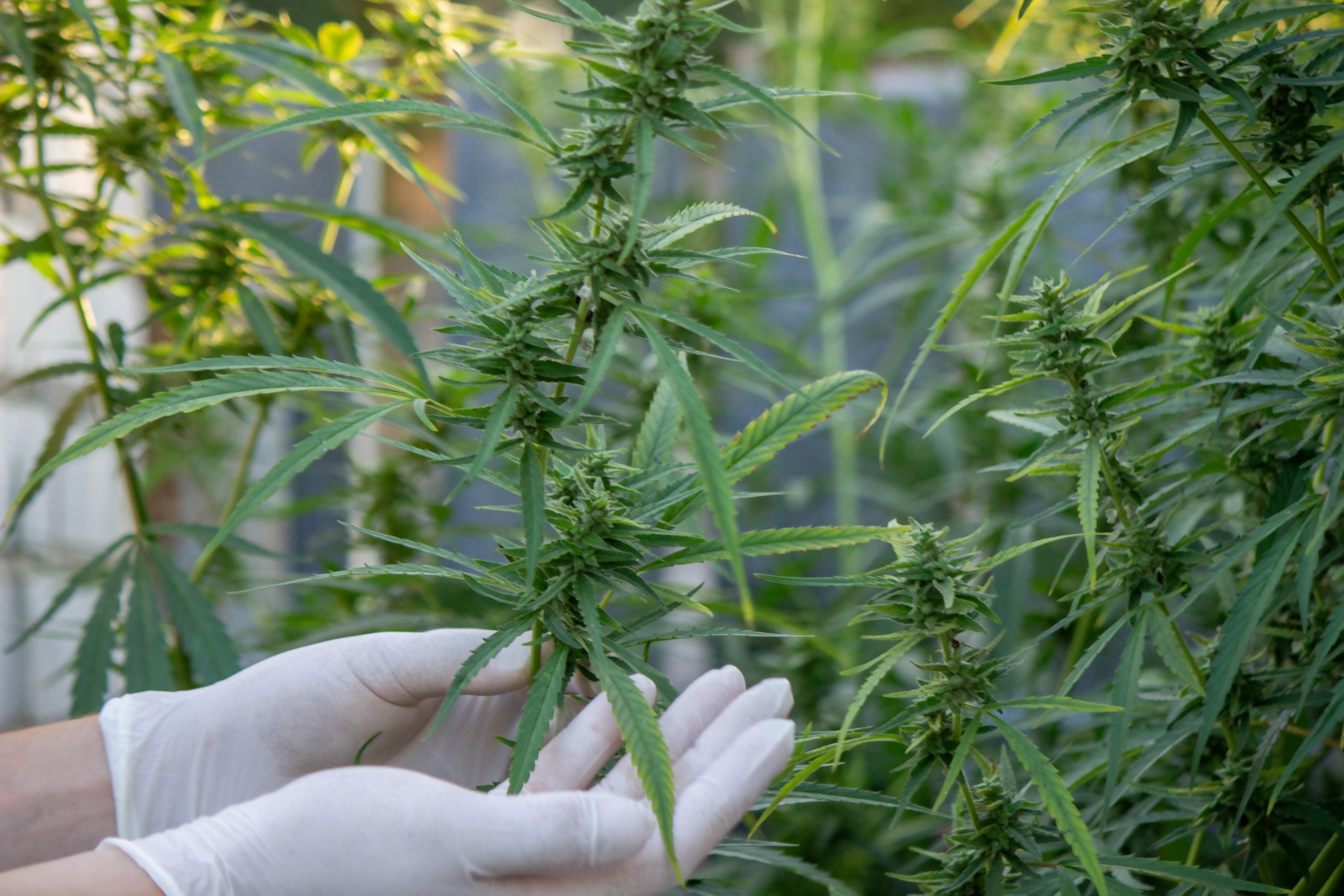
A newly published study sheds light on the growing role of cannabis in chronic pain management among military veterans, revealing that 40 percent of surveyed veterans with persistent pain report using cannabis to manage their symptoms. The research, conducted by scientists at the University of California, San Francisco, and Yale University, offers further insight into how veterans are integrating cannabinoids into their healthcare routines—often in combination with or as alternatives to prescription medications.
The study appears in the journal Global Advances in Integrative Medicine and Health and adds to a growing body of literature showing increased interest in plant-based treatments among patient populations with complex pain and mental health needs.
Chronic Pain Among Veterans: A Widespread Health Challenge
Chronic pain is one of the most common and debilitating conditions among U.S. military veterans. It can result from combat injuries, degenerative conditions, and long-term physical strain endured during service. For decades, pain management has relied heavily on pharmaceuticals—including opioids, NSAIDs, and sleep medications—all of which carry risk of side effects, dependency, or reduced efficacy over time.
In this study, researchers surveyed 52 veterans enrolled in primary care at Veterans Health Administration (VA) clinics. All participants had been diagnosed with chronic pain, and many also reported associated mental health conditions such as post-traumatic stress disorder (PTSD), anxiety, and depression.
Despite the small sample size, the findings revealed significant trends: nearly all participants expressed a desire for healthcare providers to discuss natural product use more openly, with 98 percent believing that these options should be part of routine clinical care.
Cannabis as a Natural Therapy: Key Findings
Among the survey’s respondents, cannabis was the third most common natural product used, following vitamin D and multivitamins. A breakdown of the reasons why veterans used cannabis offers a more detailed picture of its perceived therapeutic value:
- 81% used it for pain or mobility issues
- 62% cited sleep improvement
- 43% reported relief from PTSD or anxiety
- 43% used it to manage stress
- 29% indicated it helped with depression
Participants tended to favor cannabinoid products that contained both CBD and THC, suggesting a preference for full-spectrum formulations that combine non-intoxicating and psychoactive compounds for broader therapeutic effects.
The authors noted that many respondents used cannabis in tandem with other natural products—sometimes as a substitute for prescribed pharmaceuticals—further illustrating a shift toward personalized, integrative approaches to health management.
Barriers to Communication in the VA System
Despite widespread use, only about half of veterans in the study reported discussing natural product use with their healthcare providers. This hesitancy is attributed in part to federal policy that prohibits VA physicians from recommending or prescribing cannabis, even in states where it is legal.
The lack of formal guidelines within the VA, along with federal cannabis prohibition, has left many clinicians without adequate training or confidence to engage in conversations around medical marijuana. This disconnect may result in veterans relying on outside sources for cannabis advice—potentially exposing them to misinformation, low-quality products, or harmful drug interactions.
The study’s authors emphasized that while many natural products are generally safe, some may be mislabeled or contaminated, and interactions with prescription medications are not well understood—particularly for patients taking multiple drugs for pain, sleep, and mental health.
Advocacy and Legislative Momentum
The findings arrive at a time of renewed momentum for veterans’ cannabis access legislation at the federal level. Bipartisan bills such as the Veterans Equal Access Act and the Marijuana Safe Harbor Act are being championed in Congress to allow VA doctors to recommend medical cannabis in states where it is legal. If passed, these measures would enable veterans to receive plant-based therapies through formal healthcare channels for the first time.
Veterans advocacy groups—including Iraq and Afghanistan Veterans of America (IAVA)—have called on lawmakers to end the disparity between civilian and veteran access to medical cannabis. At recent congressional hearings, several veterans service organizations voiced support for expanding therapeutic options, including cannabis and psychedelics.
Cannabis and Chronic Pain: An Expanding Evidence Base
Beyond veteran populations, recent scientific research continues to validate cannabis as a potential tool for managing chronic pain. A number of peer-reviewed studies published in the last two years highlight cannabis’s ability to alleviate symptoms across a range of pain types, including:
- Neuropathic pain
- Musculoskeletal disorders
- Cancer-related pain
- Migraine and chronic headache
Many of these studies also point to reduced use of opioids and other medications following cannabis adoption. In a large-scale review by researchers at Penn State College of Medicine, cannabinoids were found to be effective in treating various forms of chronic pain—with some cannabinoid blends reducing the psychoactive impact of THC while maintaining therapeutic benefits.
Meanwhile, a separate study comparing medical cannabis to prescription drugs for pain concluded that cannabis was more effective or at least equally effective, with fewer patients discontinuing treatment due to side effects.
Substitution and Safety
Multiple analyses suggest a consistent trend: legal access to cannabis is associated with declines in opioid prescriptions, overdose deaths, and pharmaceutical dependence. In states that have legalized adult-use or medical marijuana, researchers have observed:
- Lower rates of opioid prescriptions
- Fewer opioid-related deaths
- Decreased hospitalizations for pain-related conditions
- Improved self-reported quality of life among chronic pain patients
These findings provide a compelling case for integrating cannabis into broader pain management protocols, particularly in populations like veterans, where traditional therapies have often fallen short or introduced additional health risks.
State-Level Examples and Broader Impacts
States like Minnesota and Utah have produced their own data through patient registries and surveys. Minnesota’s Department of Health, for instance, released a report showing that veterans and chronic pain patients enrolled in its medical cannabis program reported noticeable improvements in pain levels and reductions in reliance on other medications.
Other state-level data points echo similar patterns: cannabis access often corresponds to measurable decreases in opioid use and overdose fatalities. These outcomes are prompting a reevaluation of pain treatment strategies, particularly in the wake of the opioid crisis and its lingering impact on veteran communities.
Looking Forward: Expanding Access and Education
The latest study reinforces a critical need for open dialogue between veterans and healthcare providers around cannabis and other natural products. As medical research evolves and public policy shifts, it is becoming increasingly clear that cannabis has a role to play in pain management, mental health support, and sleep regulation—especially for individuals with service-related health conditions.
For this potential to be fully realized, however, regulatory alignment, provider education, and clinical research infrastructure must evolve alongside patient demand. Until then, many veterans may continue navigating cannabis therapy without formal medical guidance, relying instead on anecdotal evidence and informal networks.
The path forward will require collaboration between lawmakers, medical professionals, and veterans themselves to reshape how cannabis is discussed, prescribed, and integrated into holistic care models.
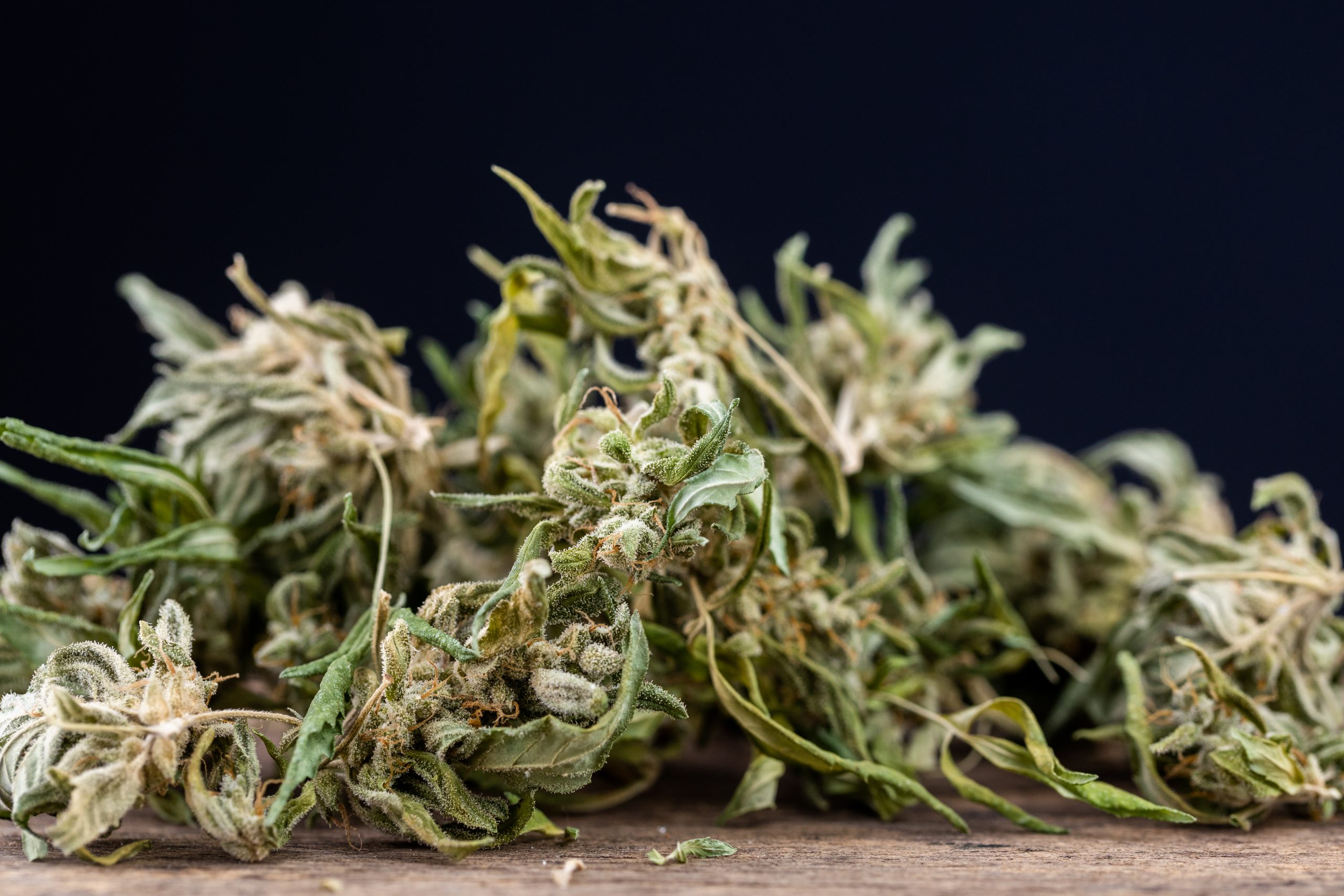
A new era in substance use recovery may be emerging, as medical cannabis gains traction as a supportive tool for individuals managing opioid dependence and other substance use disorders. A recent Canadian pilot study from researchers at UBC Okanagan and Thompson Rivers University is shedding light on how supervised cannabis use within recovery homes can provide relief from the psychological and physical challenges that often threaten the success of recovery.
This innovative approach—grounded in harm reduction and patient-centered care—explores how cannabis may offer a therapeutic alternative to traditional pharmaceuticals, while also addressing long-standing stigma within healthcare settings.
A Groundbreaking Study in Residential Recovery Settings
The study, published in the Journal of Studies on Alcohol and Drugs, assessed the outcomes of medically supervised cannabis use in a residential recovery home located in British Columbia’s interior. Researchers observed the experiences of patients undergoing treatment for substance use, particularly those managing chronic pain, anxiety, depression, and sleep disorders—symptoms that commonly emerge during withdrawal or early sobriety and can often lead to relapse.
Through qualitative interviews and health assessments, participants consistently reported that cannabis helped reduce cravings for opioids, managed withdrawal-related discomfort, and improved overall mental well-being. These reported outcomes suggest that cannabis may serve as an adjunct therapy in structured recovery environments.
Key Findings: From Symptom Management to Relapse Prevention
Participants in the study shared that cannabis played a meaningful role in mitigating both physical and emotional stressors that had previously disrupted their recovery journeys. The most frequently cited benefits included:
- Reduced cravings for opioids and other addictive substances
- Improved pain management without the need for prescription opioids
- Decreased anxiety and depressive symptoms, supporting emotional regulation
- Improved sleep quality, which is critical to long-term recovery
- Increased program retention, with some participants citing cannabis as a reason they stayed in treatment
While the study is preliminary, its results are aligned with a growing body of literature suggesting that cannabis—particularly when administered in a supervised, clinical setting—may reduce the risk of relapse and help patients navigate early recovery with greater stability.
Stigma and Resistance Among Staff Remain Barriers
Despite the positive feedback from participants, the research also revealed that stigma surrounding cannabis use persists, particularly among some staff members in the recovery setting. This cultural resistance often stems from historical misunderstandings of cannabis as purely recreational or harmful, rather than medicinal or therapeutic.
Interviews with staff at the participating facility highlighted a need for targeted education and training. Many expressed discomfort or skepticism regarding cannabis integration, often due to a lack of formal education on its clinical applications. This skepticism can create an environment in which patients feel judged or unsupported, undermining the potential benefits of supervised cannabis use.
Researchers emphasized that to implement cannabis effectively within addiction care models, recovery programs must address institutional stigma and equip staff with the tools needed to engage with cannabis as a legitimate medical option.
A Holistic Approach to Harm Reduction
Medical cannabis use in addiction recovery aligns with broader harm reduction strategies increasingly embraced across North America. Rather than insisting on rigid abstinence-only models, this approach recognizes the reality that many patients benefit from incremental, individualized treatment plans.
By replacing more harmful substances—such as illicit opioids or alcohol—with cannabis, patients may be better positioned to achieve stability, reduce risky behaviors, and engage in other therapeutic practices like counseling, support groups, or vocational training.
In this context, cannabis functions not as a cure or final step, but as a transitional aid that supports progress in a long and often nonlinear journey toward wellness.
Inside the Study: Maverick Supportive Recovery
The pilot project was conducted at Maverick Supportive Recovery, a residential treatment center located in British Columbia. These types of facilities offer structured, live-in programs designed to help individuals stabilize, detoxify, and develop coping strategies for long-term sobriety.
Researchers selected this setting to evaluate how cannabis could be integrated into a residential program with 24/7 support, and to determine what systemic and cultural changes might be necessary for broader implementation. The choice of a supportive recovery environment ensured that cannabis use was monitored, documented, and contextualized within a therapeutic framework.
The team behind the study included academics in psychology, nursing, and public health, signaling a multidisciplinary interest in evolving the role of cannabis in clinical care.
Education Is the Next Step
Researchers behind the pilot are advocating for wider-scale studies to explore how cannabis can be safely and effectively introduced into recovery programs across Canada and internationally. However, they also recognize that cultural change is as crucial as clinical validation.
To that end, the study calls for:
- Staff education initiatives to improve understanding of cannabis pharmacology
- Patient-centered care models that allow for personalized treatment plans
- Policy reviews that address regulatory inconsistencies around cannabis use in recovery settings
Upcoming educational events, such as the Medical Cannabis and Recovery forum on April 26, 2025, aim to bring together researchers, clinicians, and the public to discuss the implications of this emerging therapeutic approach.
Future Implications for Substance Use Treatment
If validated through further research, cannabis integration in recovery could:
- Diversify treatment options for individuals who have not succeeded in abstinence-only programs
- Reduce reliance on pharmaceutical interventions, including synthetic opioids and sedatives
- Improve retention rates in recovery programs, which are often plagued by early dropout
By expanding the therapeutic toolkit available to providers and patients alike, cannabis could represent a paradigm shift in addiction medicine, one that prioritizes compassion, pragmatism, and patient autonomy.
Final Thoughts
The Canadian pilot study on medically supervised cannabis in recovery homes offers compelling evidence that cannabis may serve as a supportive tool for individuals managing substance use disorders. While challenges around stigma and implementation remain, the results point toward a future where cannabis could complement, not compete with, traditional recovery approaches.
As medical systems explore new ways to address the opioid crisis and evolving patterns of addiction, evidence-based cannabis therapy may provide a bridge between clinical efficacy and compassionate care—giving patients more pathways toward healing, stability, and long-term success.

An emerging trend in cannabinoid delivery may offer a new path for sleep and anxiety relief—this time through something as simple as a pillowcase. A recent clinical study has found that sleeping on CBD-infused fabric may lead to measurable improvements in sleep quality and emotional well-being, particularly among individuals working irregular hours.
Conducted in Taiwan and published in the journal Healthcare, the study tracked the effects of CBD-coated pillowcases on 55 shift-working nurses, all of whom initially reported poor sleep quality. Over a three-week period, the infused pillowcases were associated with modest but measurable improvements in restfulness, anxiety reduction, and general mood—highlighting the potential of transdermal cannabinoid delivery through textiles.
The Study: Design and Key Findings
Researchers enrolled a cohort of 45 women and 10 men who work non-traditional hours in healthcare settings. All participants began with a one-week baseline period to track existing sleep patterns. Then, for three weeks, they used pillowcases infused with cannabidiol (CBD), aiming to observe potential improvements in both objective and subjective sleep health.
Data was collected using wearable sleep trackers (Fitbits), which provided metrics like total sleep time, time spent in light or deep sleep, and restlessness. The most notable changes occurred in sleep duration and reduction in self-reported anxiety—though sleep structure itself (such as REM cycles) remained largely unchanged.
Researchers suggested that the improvements were likely influenced by localized skin absorption of CBD, which may interact with cannabinoid receptors to support relaxation and stress modulation throughout the night.
Subgroups Show Different Levels of Effectiveness
Not all participants experienced the same degree of benefit. Those without regular exercise habits responded more noticeably to the CBD fabric intervention, while those who already exercised consistently saw fewer sleep improvements. This suggests that physical activity may already offer a natural sleep-regulating effect, limiting the additional gains from CBD in that group.
Interestingly, the overall proportion of participants who experienced significant improvement in sleep quality was relatively small—around 7 percent. However, within the subgroup of non-exercisers, more than a third showed clear progress in sleep efficiency. These outcomes point to individual variability in response to CBD, influenced by lifestyle, metabolism, and sleep health at baseline.
Implications for CBD Delivery Methods
This study introduces a non-ingestible, low-impact method of cannabinoid administration that may appeal to consumers seeking alternatives to oils, capsules, or vaporizers. Infused textiles like pillowcases offer a non-invasive and passive way to interact with cannabinoids, potentially reducing barriers for first-time users or individuals sensitive to oral formulations.
By bypassing traditional delivery methods, infused fabrics could minimize risks of side effects associated with high systemic CBD levels while still offering localized therapeutic benefits.
Potential Use Cases in Wellness and Healthcare
While the research is preliminary, CBD-infused bedding and textiles may hold promise for a range of consumers:
- Shift workers with disrupted circadian rhythms
- Individuals with mild anxiety or sleep onset difficulties
- People looking for supplemental sleep aids without ingesting cannabinoids
- Patients avoiding pharmaceutical sleep medications or seeking natural alternatives
This could open the door to functional fabric innovations in the wellness industry, particularly in sleepwear, bedding, and recovery garments.
Limitations and Future Research Needs
Despite the encouraging findings, the study’s modest sample size and short duration limit its generalizability. Researchers noted that longer-term trials with larger participant groups will be needed to fully assess the effectiveness of CBD textile interventions.
Furthermore, while the study observed anxiety reduction in most participants, only a minority experienced substantial improvements in sleep quality. This points to the need for further exploration of formulation potency, dosage regulation, and fabric absorption mechanics.
Additionally, the study was conducted with support from the manufacturer of the CBD pillowcases, a factor that highlights the importance of independent replication and third-party validation in future studies.
A Growing Body of Sleep-Related Cannabinoid Research
The pillowcase study joins a growing list of recent research efforts examining how cannabinoids influence sleep and mood. Other studies have reported benefits of medical cannabis use for older adults, patients with fibromyalgia, and individuals managing chronic pain. CBD is also being studied for its role in reducing sleep disturbances, enhancing recovery, and improving emotional regulation.
A number of consumer surveys suggest a rising preference for cannabis over conventional sleep aids, especially among adults aged 50 and older. However, researchers continue to caution that individual outcomes vary, and that more data is needed to determine optimal formulations and delivery methods.


3 Must-Visit Dispensaries Changing the Cannabis Game in California

3 Underrated Dispensaries in California That Deserve More Hype

3 Low-Key Dispensaries in California With Top-Shelf Weed

Top 15 U.S. States by Cannabis Sales Per Dispensary in 2024

New York Cannabis Sales Surge as Licensed Market Expands Statewide

Hemp-Derived THC Drinks Attract Big Players Amid Rising Demand and Regulatory Tension
