
Cannabis Industry News
Cannabis Use Rises in Response to Political Stress: A 2025 Consumer Snapshot

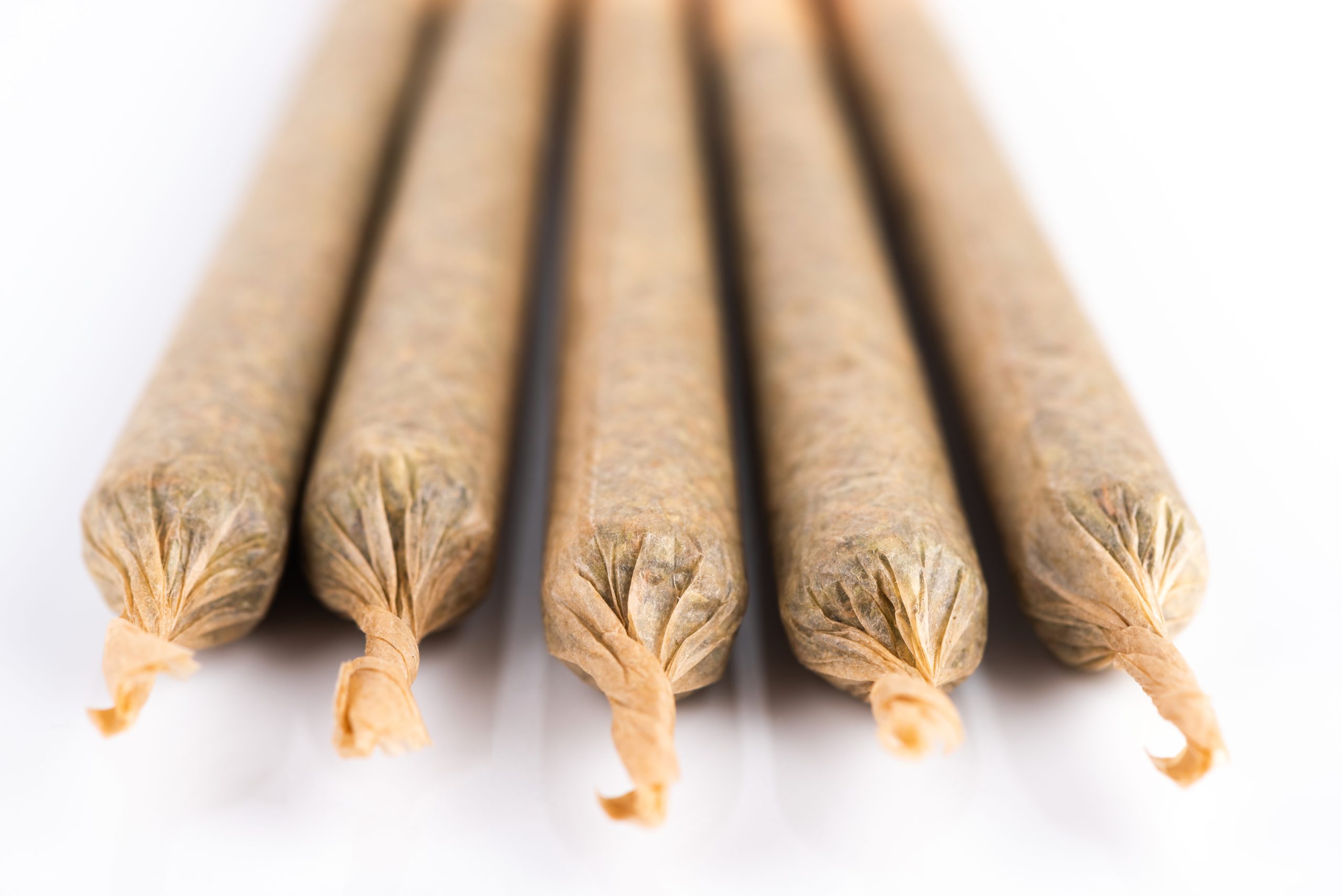
As the United States adjusts to the early stages of Donald Trump’s second term, cannabis consumers appear to be recalibrating their habits—not just around preference or strain, but around coping itself. While cannabis has long been intertwined with wellness, stress relief, and cultural expression, new consumer behavior suggests that political and economic volatility is increasingly shaping how—and why—Americans engage with cannabis.
Rising inflation, social unrest, and sweeping government reforms have created a collective tension that is pushing many toward cannabis as a steadying presence in uncertain times. Whether as a substitute for alcohol, a buffer against anxiety, or a gateway to self-regulation, cannabis appears to be more than just a recreational outlet in 2025—it’s becoming an emotional anchor.
Younger Adults and Women Are Leading the Shift
One of the most pronounced shifts in 2025 is occurring among young adult consumers, especially women aged 21 to 34. Data collected from recent consumer trend reports indicate that this demographic is not only increasing their cannabis consumption more than others, but also doing so with a clear sense of intention.
Rather than associating cannabis solely with leisure, these users are engaging with products through a wellness lens, seeking out microdosing formats, low-THC ratios, and hybrid flower strains specifically marketed for stress relief, mood balancing, and mental clarity. For many, cannabis is becoming part of their daily rituals—whether it’s winding down after doom-scrolling the news or setting a calmer tone at the start of a work-from-home day.
This represents a fundamental evolution in cannabis culture, moving away from the archetype of occasional indulgence and toward habitual, purposeful use.
Inflation, Affordability, and the Price-to-Relief Ratio
In a year marked by economic anxiety, consumers are carefully weighing how they spend. Yet cannabis, unlike other discretionary categories, is holding its ground. While nearly every sector—dining, travel, entertainment—is facing demand softening, cannabis spending is showing resilience.
That’s not to say cost isn’t a concern. A growing portion of consumers report trimming expenses elsewhere to maintain their cannabis purchases. And interestingly, many of those who say they are increasing their usage also cite value-based product selections—such as larger pre-roll packs, discount ounces, or dual-purpose products like THC-CBD blends that combine relief and relaxation.
For this group, cannabis isn’t a luxury; it’s a mental health necessity with a higher perceived ROI (return on investment) than many other coping mechanisms.
Distrust in Retail Products Fuels Interest in Home Cultivation
Even as the legal market expands and matures, a significant number of consumers remain skeptical about the transparency of retail cannabis. Reports of product recalls, inconsistent testing standards, and labeling inaccuracies have planted seeds of doubt—especially among those who use cannabis for wellness or medicinal purposes.
As a result, home cultivation is gaining traction, not just as a hobby, but as a consumer rights movement. Among current cannabis users, a growing share say they would prefer to grow their own plants if legal and feasible. For many, the motivation isn’t just about savings; it’s about control, trust, and purity.
Although the legal frameworks for home growing vary from state to state, this trend suggests that personal cultivation may be on track to become a normalized part of cannabis culture, much like home brewing did during the early craft beer movement.
Product Preferences Reflect Broader Societal Shifts
Cannabis products in 2025 are being shaped by more than just potency or price—they’re being shaped by sentiment. Among the top-selling product categories this year are:
- Fast-acting edibles marketed for anti-anxiety and sleep support
- THC-infused beverages as alcohol substitutes
- Low-dose tinctures and capsules designed for mood management
- Topicals and aromatherapy-style balms for at-home stress rituals
These products are often branded in calming palettes with affirming language—”reset,” “unwind,” “clarity”—and appeal to a consumer base that’s not just looking to get high, but to feel grounded amid national turbulence.
This reflects a broader shift in consumer expectations, where cannabis is not merely transactional but therapeutic, intuitive, and holistic.
Legal Fears and Policy Confusion Create Mixed Signals
Even in legal states, concerns about enforcement and overregulation remain. A notable segment of consumers who are eligible to grow their own cannabis or purchase from licensed dispensaries still report hesitation due to perceived legal risks or confusion about what’s allowed under changing state laws.
This hesitancy reveals a gap in consumer education—and an opportunity for brands and advocacy organizations to clarify local regulations, dispel myths, and empower consumers to engage with cannabis confidently.
It also highlights the strange duality of being a cannabis consumer in 2025: legal in principle, stigmatized in practice. And for politically engaged users, that contradiction only adds to the urgency of normalizing use as a legitimate form of wellness and personal autonomy.
Looking Ahead: A Political Stress Test for Cannabis Culture
In past decades, cannabis consumption often spiked during moments of cultural upheaval. From anti-war protests to economic recessions, cannabis has long served as both an act of resistance and a tool for resilience. What we’re seeing now in 2025 is not entirely new—but it is more mainstream, measurable, and multidimensional than ever before.
This year, cannabis consumption patterns are becoming a reflection of political and emotional fatigue—a nonverbal statement that many Americans feel more agency in choosing their coping methods than they do in choosing their elected officials.
It also underscores the growing understanding that cannabis is not a trend but a toolkit, with distinct benefits that meet a wide array of emotional, psychological, and even political needs.
Final Thoughts
As the country navigates a politically volatile climate, cannabis use is increasing not as an escape, but as a way to manage the moment. Consumers are redefining their relationship with cannabis—using it not just to unwind, but to stabilize, to reclaim a sense of balance, and to respond to the world around them on their own terms.
This consumer-driven evolution is shaping not just the future of cannabis retail but also how we understand public health, political engagement, and self-care in the 21st century.
Cannabis Industry News
Tariffs and the Cannabis Supply Chain: How U.S. Businesses Are Adapting to Economic Headwinds
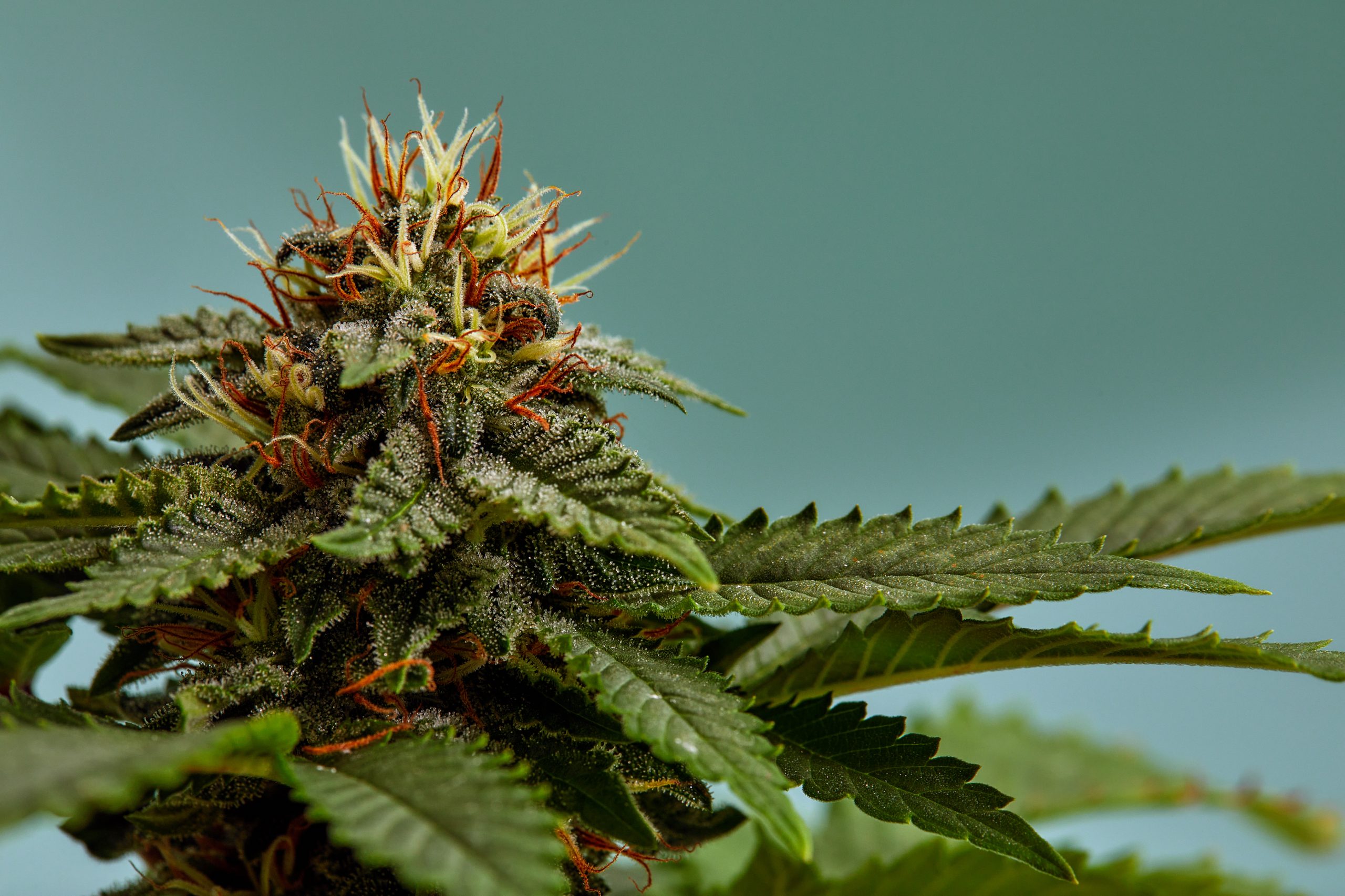
As cannabis operators in the U.S. navigate the complexities of a rapidly evolving industry, they now face another formidable challenge: shifting international trade policies. The recent reinstatement of steep tariffs under former President Donald Trump’s administration has put pressure on an already delicate cannabis supply chain, triggering a cascade of operational adjustments among producers, packagers, and distributors.
With tariffs ranging from 10% to more than 100% on a variety of imported goods, cannabis-related businesses that rely heavily on global manufacturing—particularly from Asia—are being forced to rethink long-standing logistics strategies. The new trade environment is not just a test of financial endurance but a stress test of agility, supply chain diversification, and risk management in a sector still maturing.
A Global Supply Chain Under Pressure
The cannabis industry’s reliance on international manufacturing is no secret. From packaging materials and pre-roll machinery to vape hardware and raw inputs, much of the sector’s critical infrastructure is sourced from global markets, especially China, Indonesia, and India.
These countries have been preferred partners not only due to cost efficiency but also because of their manufacturing capabilities, scale, and speed. However, as newly reimposed tariffs drive up the cost of importing these materials, companies are being forced to examine alternatives—some more viable than others.
Several operators have already begun reallocating parts of their production to secondary markets such as Malaysia, Taiwan, or Vietnam. Others are experimenting with onshoring portions of their supply chains back to the United States. Yet these shifts are often not straightforward; domestic infrastructure for specialized cannabis products remains underdeveloped, particularly when it comes to highly customized or small-batch manufacturing.
Rising Costs and Operational Trade-Offs
One of the immediate consequences of the tariff spike is an increase in production costs across the board. Businesses are now contending with a multi-layered cost structure that impacts not just raw materials but also labor, shipping, and warehousing. These increases are particularly difficult for companies operating in high-cost compliance states, where profit margins are already slim due to taxation, regulatory overhead, and price competition.
To manage these pressures, many companies are adapting in the following ways:
- Restructuring their logistics networks by shifting imports to less tariff-heavy regions.
- Consolidating packaging and labeling runs to reduce per-unit production costs.
- Investing in automation to reduce reliance on international labor and shorten production cycles.
- Building domestic partnerships with U.S.-based suppliers to insulate parts of their operation from trade volatility.
However, these adjustments come with their own costs and limitations. Not all products can be easily moved to a domestic facility, and retrofitting operations to accommodate local production may require capital outlays that smaller operators simply can’t afford.
Logistics and Distribution Face Ripple Effects
Tariffs don’t just impact product manufacturing—they also reverberate through the entire fulfillment and distribution chain. Cannabis logistics companies, which handle warehousing, transport, and last-mile delivery, are now facing inflated operational costs from imported vehicle fleets, routing technologies, and even temperature-controlled equipment used to transport perishable products like edibles or live resin.
As logistics become more expensive and uncertain, many companies are responding with tighter inventory management, improved routing software, and bundled service models to reduce redundancies. The goal is to maintain service levels without transferring too much of the cost burden to retail partners or end consumers—though many acknowledge that some level of price increase may become unavoidable.
The Consumer Experience May Shift
For consumers, the immediate impact may not be felt at the register—but industry insiders warn that changes are likely on the horizon. As supply costs rise and companies are squeezed between shrinking margins and growing overhead, the end result may be leaner product selections, higher shelf prices, or delays in new product launches.
Operators in ancillary sectors like accessories and packaging are also evaluating whether to absorb tariff-related costs or pass them on to dispensaries and their customers. For now, some are choosing to hold prices steady in order to protect brand loyalty, but this strategy may be difficult to sustain if inflationary pressures persist.
In the long run, consumers may begin to see subtle shifts in packaging aesthetics, material quality, or bundle sizes as brands recalibrate offerings to maintain profitability in a high-cost environment.
The Risk of Market Imbalance
A potential unintended consequence of escalating trade restrictions is the growth of unregulated markets. As licensed businesses contend with cost pressures, unlicensed operators—often unencumbered by the same tax and compliance burdens—may gain competitive advantage by offering cheaper products and faster delivery.
This could incentivize some consumers to shift toward gray or illicit market options, particularly in regions where enforcement is uneven or where legal cannabis remains comparatively expensive. Policymakers and regulators will need to consider this dynamic carefully, especially in states where legalization has been built on promises of consumer safety, tax revenue, and reduced black-market activity.
Is Onshoring the Long-Term Solution?
While some operators are exploring domestic manufacturing as a long-term solution, structural limitations remain. U.S. facilities may offer improved lead times, regulatory alignment, and greater control—but at significantly higher cost, especially for labor-intensive processes like hand-rolling cones or assembling vape cartridges.
For this reason, most companies are pursuing hybrid approaches: shifting select product lines stateside while maintaining offshore relationships for high-volume or commodity items. Others are leveraging the situation as an opportunity to invest in R&D and reevaluate product formats that are less reliant on tariff-exposed materials, such as pod-based vape systems or minimalist packaging designs.
A Test of Industry Maturity
Ultimately, the tariff issue underscores the cannabis industry’s transition into a more mature, resilient sector. What began as a grassroots movement is now a multi-billion-dollar supply chain exposed to global economic currents. Operators that succeed in this next phase will be those that invest in supply chain agility, diversified sourcing, and cost control without compromising product quality or brand integrity.
Tariffs are just one of many evolving variables in the cannabis economy—but they serve as a reminder that in an interconnected marketplace, adaptability isn’t optional—it’s a prerequisite for survival.
Cannabis Industry News
Leadership Shakeup in NYC Sparks Questions About the Future of Urban Cannabis Programs

The departure of Dasheeda Dawson, the founding executive director of Cannabis NYC, has ignited a wave of speculation and scrutiny in New York’s cannabis community. While personnel changes are common in new government-led industry initiatives, this one carries greater implications—not only because of Dawson’s public profile, but also because of the timing.
As New York City continues to roll out its complex and often controversial adult-use cannabis market, the resignation of its most prominent cannabis policymaker marks a pivotal moment in the city’s effort to build an equitable industry from the ground up.
A Pioneering Appointment
Launched in 2022 under the NYC Department of Small Business Services, Cannabis NYC was created to support license applicants, guide regulatory implementation, and position the city as a hub for inclusive cannabis entrepreneurship. Dawson, a veteran cannabis policy strategist with prior leadership roles in Oregon and national cannabis equity circles, was tapped to lead the effort.
During her tenure, Dawson was widely credited with raising visibility for the city’s cannabis equity goals and launching community-facing initiatives meant to support underrepresented entrepreneurs, legacy operators, and small businesses navigating the evolving legal market.
From educational workshops and compliance bootcamps to support for women- and BIPOC-owned businesses, Cannabis NYC under Dawson took bold steps to bridge the gap between policy ambition and market access. Her departure, announced via LinkedIn, comes just as many of these initiatives are moving into more operational and enforcement-heavy phases.
Timing Raises Eyebrows—and Tensions
Dawson’s resignation arrives at a particularly sensitive time for New York’s legal cannabis market. After months of legal battles, regulatory delays, and uneven retail rollout, many stakeholders are looking to city and state agencies for stability and long-term clarity.
For some, Dawson’s departure raises questions about how aligned city and state cannabis priorities truly are. As dispensary openings continue to face bureaucratic hurdles and court-ordered pauses, business owners and advocacy groups alike are calling for more transparent leadership transitions and consistent messaging from public agencies.
The concern isn’t just about personnel—it’s about continuity in vision and execution.
The Bigger Picture: A Test for Urban Cannabis Governance
More than a local HR shakeup, this event reflects broader issues facing cannabis leadership structures in urban centers. As cities like New York attempt to build out cannabis economies that are not only profitable but equitable, the demands on municipal agencies—and their leaders—are high.
Balancing stakeholder expectations, political interests, community equity commitments, and regulatory compliance is a tightrope few have walked successfully. And while New York’s goals are ambitious, the leadership turnover underscores the fragility of those efforts when they’re tied too closely to individual figures.
This moment offers a critical opportunity for Cannabis NYC—and other similar municipal programs across the country—to assess whether they have the internal infrastructure, succession planning, and community trust needed to withstand changes in leadership without losing direction.
Controversy Complicates the Narrative
Though the official narrative frames the resignation as a career transition toward broader industry engagement, external factors have also fueled public curiosity. Reports of an ongoing investigation into workplace misconduct, which surfaced around the same time as the resignation, have created a distracting cloud over what had otherwise been a widely supported leadership run.
For an industry that often champions transparency and accountability, the intersection of personal conduct and public leadership can be especially damaging if left unaddressed. While details remain under review and no formal conclusions have been made, the optics are difficult to ignore. Leaders in the cannabis space are increasingly held to high ethical and professional standards—particularly when representing equity-forward programs in a highly scrutinized market like New York.
What Comes Next for Cannabis NYC?
As Dawson moves on, the city is expected to announce interim leadership in the coming weeks. Whether the agency maintains its current roadmap or pivots in a new direction remains to be seen. Key questions now facing the program include:
- Will current pilot programs and equity workshops continue on schedule?
- How will the agency handle transparency amid ongoing investigations?
- Can the next leader build the same level of grassroots trust?
- How will this leadership change affect license processing and small business support?
The success of Cannabis NYC may now depend less on the charisma of a single leader and more on the strength of the systems left behind.
Final Thoughts
The resignation of Dasheeda Dawson is more than a personnel update—it’s a reflection of the high-stakes nature of cannabis governance in the post-prohibition era. With trust, transparency, and execution under the microscope, public agencies must prepare for transitions like this without destabilizing the broader market they’re tasked with guiding.
As New York City continues its journey toward a regulated, inclusive cannabis industry, the next chapter of Cannabis NYC will be closely watched—not just by local stakeholders, but by other municipalities nationwide facing similar challenges in the push toward equity-centered legalization.
Cannabis Industry News
Inflation Forces Two-Thirds of Cannabis Consumers to Cut Back on Spending, New Poll Shows

As inflation continues to shape consumer behavior across virtually every sector of the economy, cannabis is no exception. According to new survey results released by cannabis telehealth platform NuggMD, approximately two out of three marijuana consumers say they’ve reduced their cannabis spending due to rising costs.
The poll, conducted in early March, offers a snapshot of how broader economic pressures are affecting both recreational and medical cannabis users. With inflation driving up the price of necessities like groceries, rent, and healthcare, many consumers are rethinking their discretionary expenses—including cannabis.
Though cannabis is often categorized as a wellness product or medicine, it is not yet fully insulated from economic turbulence. The findings reflect a growing tension between cannabis affordability, regulatory obstacles, and the cost of living crisis, all of which are reshaping how people access and prioritize cannabis in their daily lives.
The Data: What the Poll Found
NuggMD’s survey, which polled 518 adult cannabis users, revealed that 66% of respondents are spending less on marijuana in response to inflation. The remaining 34% reported that inflation has not significantly changed their cannabis purchasing habits.
This latest poll marks a shift from earlier data. A separate NuggMD survey from late 2023 found that a majority of cannabis consumers were actually spending more year-over-year—and many expected to continue increasing their cannabis purchases in 2025. The contrast between these two sets of data suggests that inflationary pressure may have intensified more recently or that economic uncertainty is causing consumers to pull back on non-essential purchases as a precaution.
What’s Causing the Pullback?
While the survey does not specify whether the decline in spending is tied to higher product prices, tighter household budgets, or both, the overall message is clear: Cannabis is not immune to the same financial strain that’s hitting other sectors.
Some potential contributing factors include:
- Inflation on essential goods: As consumers pay more for food, housing, and energy, discretionary income available for cannabis shrinks.
- Medical inflation: The cost of healthcare, including over-the-counter and prescription treatments, is rising. This could lead patients to cut back on adjunct therapies, even those they find effective.
- Stagnant wages: In many industries, wage growth has not kept pace with inflation, reducing purchasing power across the board.
- Federal tax burdens on cannabis businesses: Policies like IRS Code 280E increase costs for cannabis companies, which are then passed on to the consumer.
Cannabis Taxes and IRS Code 280E: A Hidden Driver of Cost
A major contributor to the high price of cannabis products—particularly in the legal market—is the federal tax code, specifically Section 280E. This rule prohibits cannabis businesses from deducting typical business expenses because marijuana remains a Schedule I controlled substance under federal law.
As a result, legal cannabis operators often pay effective tax rates as high as 70–80%, forcing them to charge higher retail prices to remain profitable. This creates an unbalanced playing field where illegal or unregulated sellers can undercut prices, and legal operators struggle to compete—despite offering safer, tested products.
NuggMD’s communications team cited 280E as a direct factor in consumer cost, noting that removing or amending this policy could offer immediate financial relief to both businesses and buyers. There are ongoing discussions in Washington about rescheduling cannabis to Schedule III, which would effectively nullify 280E. However, the process has stalled, and new legislation introduced in Congress could entrench 280E further if passed.
Insurance Access: A Missed Opportunity
In addition to tax reform, another potential solution to cannabis affordability is insurance coverage for medical marijuana. Currently, cannabis is not covered by any major health insurance plan, even in states where it’s legal for medical use. This forces patients to pay out-of-pocket for products that could otherwise supplement or replace traditional medications.
If insurers were required to cover cannabis used for state-approved medical conditions, it could alleviate the financial burden for patients, particularly those with chronic pain, PTSD, or other conditions frequently treated with cannabis.
Advocates argue that the absence of coverage not only hurts patients—it creates two tiers of cannabis access: one for those who can afford regular use and one for those who cannot. As inflation continues to strain household budgets, this divide may become more pronounced.
Behavioral Shifts Among Consumers
The economic slowdown is pushing consumers to make more calculated decisions about cannabis purchases. Trends observed in multiple markets include:
- Bulk buying to reduce cost per gram or dose
- Switching to lower-cost product formats, such as flower instead of edibles or concentrates
- Reducing frequency of use to stretch supplies
- Turning to unlicensed sellers for cheaper options, raising safety and legal concerns
These behaviors are not without consequences. Reduced purchasing from licensed dispensaries means less tax revenue for states, weaker support for regulated businesses, and greater vulnerability to untested or mislabeled products.
The Bigger Picture: Economic Stress Meets Policy Paralysis
What this poll ultimately illustrates is that cannabis, despite growing legal access and social acceptance, remains vulnerable to both economic volatility and outdated federal policy. Without relief from high taxes and with limited integration into healthcare infrastructure, many consumers are being priced out of the legal market.
This challenge also has implications for the broader cannabis industry. Companies already facing compressed margins, overproduction, and regulatory complexity may now contend with decreased consumer spending and growing price sensitivity.
Meanwhile, policy solutions—whether it’s tax reform, rescheduling, or insurance coverage—remain mired in legislative gridlock. Without a coordinated effort to address these structural barriers, the pressure on both consumers and providers is likely to increase.
Will Consumers Return to Higher Spending?
Whether cannabis spending rebounds will depend on several factors:
- Stabilization of inflation and broader economic recovery
- Regulatory changes, including IRS reform or expanded insurance access
- Product innovation and pricing flexibility by brands and retailers
- Expanded legalization, which could normalize access and reduce costs through competition
For now, consumers are adjusting their habits, and the legal industry must adapt alongside them. Brands that can offer value, education, and accessibility may weather the storm better than those focused solely on premium positioning or high-margin products.
Final Thoughts
The latest data from NuggMD signals an important trend: cannabis consumption is not immune to economic forces, and the cost of legal compliance may be outpacing what many consumers can afford. As inflation and stagnant policy continue to intersect, both cannabis users and businesses are feeling the pinch.
For lawmakers, the message is clear. Modernizing cannabis regulation and taxation isn’t just a matter of justice—it’s a matter of affordability and economic sustainability. Without change, more consumers may be pushed out of the legal market, slowing the growth of an industry that’s still finding its footing.


3 Must-Visit Dispensaries Changing the Cannabis Game in California

3 Underrated Dispensaries in California That Deserve More Hype

3 Low-Key Dispensaries in California With Top-Shelf Weed

Top 15 U.S. States by Cannabis Sales Per Dispensary in 2024

3 New Mexico Dispensaries That Make You Want to Stay and Explore

Hemp-Derived THC Drinks Attract Big Players Amid Rising Demand and Regulatory Tension
