
Interviews And Expert Opinions
Cannabis Legalization: What a Johns Hopkins Expert Says About Use, Access, and Risks


As the cannabis landscape evolves and adult-use legalization gains traction across the United States, questions remain about the potential public health impact of these reforms. In particular, experts have raised concerns about product safety, youth access, and cannabis dependence. Dr. Ryan Vandrey, a behavioral pharmacology researcher at Johns Hopkins University, has long studied the clinical effects of cannabis and its potential for dependency. His perspective provides a grounded view into the benefits and risks of legal cannabis—especially in a retail setting.
Legal Access Won’t Create New Demand—But It May Change How People Use
One common concern about legalization is whether it will lead to increased cannabis use, particularly among youth. According to Dr. Vandrey, this fear may be overstated. Despite its former illegality, cannabis has remained widely accessible to teens and adults alike. National surveys consistently show that the majority of high school students report easy access to marijuana—even when it’s technically off-limits. This suggests that legalization may not drastically alter availability, but it could influence usage patterns and perceptions of risk.
Product Safety and Potency Still Need Attention
While legal cannabis has removed the criminal penalties associated with possession and consumption, it hasn’t always delivered the same level of product oversight seen in regulated industries like alcohol or pharmaceuticals. Dr. Vandrey points out that one of the most pressing concerns with recreational dispensaries is inconsistent product labeling.
Unlike alcohol, which provides clear information on proof and volume, cannabis products can vary widely in THC potency—from as little as 2% to more than 30%. And without standardized testing or federally mandated accuracy, consumers are often left to guess how much they’re actually consuming. This variability can lead to unexpected effects such as anxiety, elevated heart rate, and paranoia—especially for new or inexperienced users.
Edibles: A High-Risk Category for Accidental Ingestion
Cannabis edibles, while popular, present unique public health challenges. THC-infused candy bars, gummies, baked goods, and even ice cream may appeal to children if left unmarked or improperly stored. Vandrey stresses that accidental ingestion, particularly by young children, is a growing concern. Many edibles contain large doses of THC—up to 100 milligrams per serving—which can lead to distressing reactions in minors. Preventive steps like childproof packaging and clear labeling are vital in reducing these risks.
First-Time Consumers Should Start Low and Go Slow
For those new to cannabis, especially in states where retail access is new, understanding dosage and personal tolerance is crucial. Vandrey suggests that people should be informed about the broad spectrum of possible effects, from euphoria and laughter to anxiety and disorientation. Because everyone reacts differently, new users should start with a low dose, avoid mixing with alcohol or other substances, and be in a safe, comfortable environment.
Importantly, any adverse effects from THC—like paranoia or dizziness—are typically short-lived and non-lethal. However, repeated misuse or overconsumption can increase the risk of developing a dependency, especially in individuals with underlying vulnerabilities or a family history of substance use disorders.
Cannabis Dependency Is Real for Some Users
Despite widespread perceptions that cannabis is non-addictive, Dr. Vandrey emphasizes that cannabis dependence is a diagnosable and treatable condition. People who develop cannabis use disorder often experience the same behavioral, emotional, and cognitive disruptions seen in individuals with alcohol or tobacco addictions. And once dependence takes root, quitting is no easy feat. Studies show that success rates for cannabis cessation range between 5% and 40%, depending on the individual and the treatment approach.
For most people, trying cannabis won’t lead to long-term issues. But for a significant minority—especially those who use it heavily or start at a young age—regular use can become problematic. Monitoring frequency, setting boundaries, and having support systems in place can make a meaningful difference.
A Nuanced Approach to Cannabis Reform
As more states embrace retail cannabis sales, it’s essential to balance access with responsibility. Legalization offers a host of benefits—safer products, tax revenue, and social equity gains—but it also opens new doors for misuse, particularly if education and regulation fail to keep pace.
Dr. Vandrey’s insights reinforce the importance of creating cannabis policies that are informed by science, transparent about risk, and proactive about consumer safety. With the right tools, cannabis can be part of a healthier future—but only if approached with intention, oversight, and a commitment to public health.

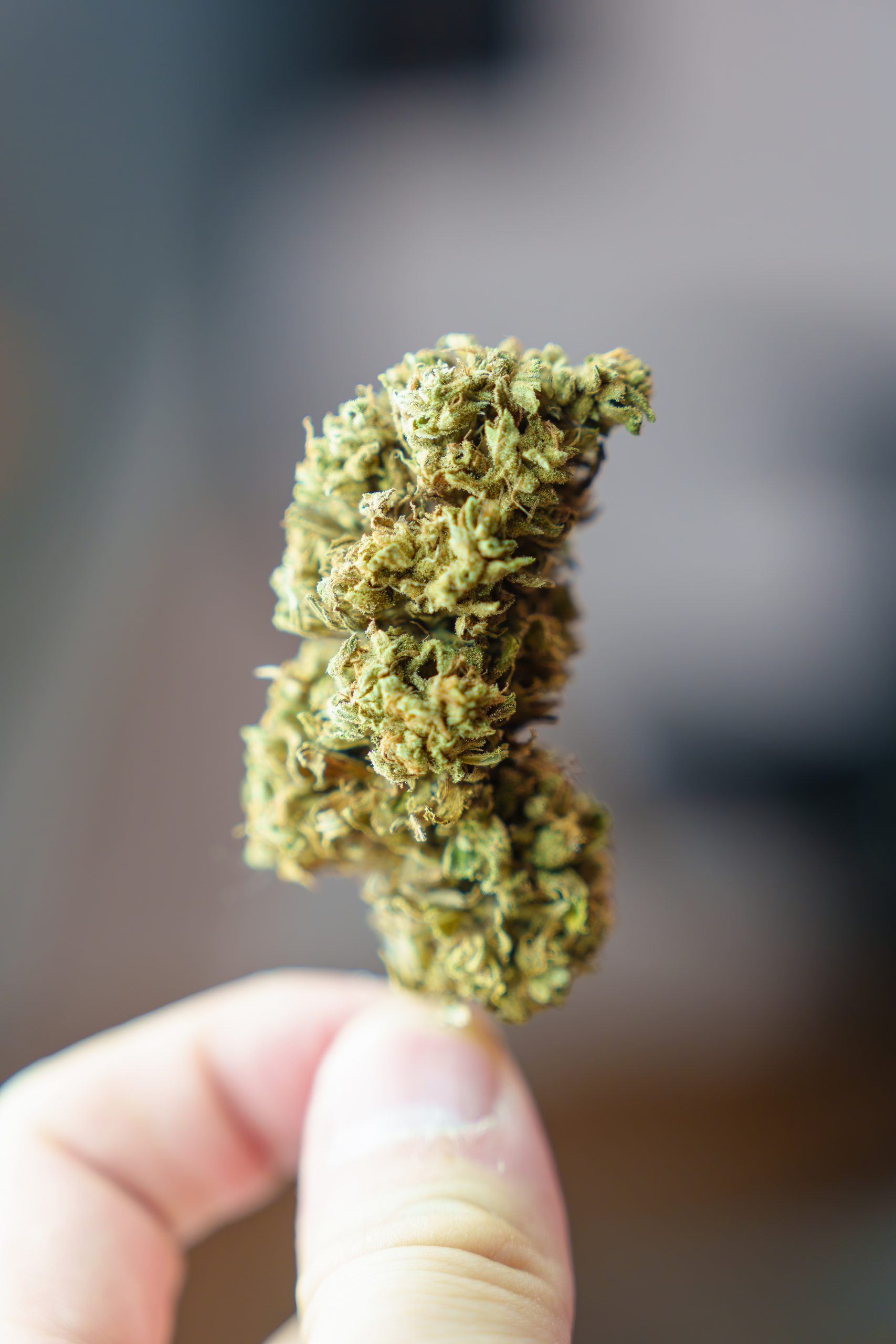
Four years into adult-use cannabis legalization, New York’s legal marijuana industry is finally showing signs of reaching its long-anticipated potential. After a rocky start marked by lawsuits, delays, and illicit market dominance, the state now appears to be entering a more stable and scalable phase—one that could see legal cannabis sales reach $1.5 billion in 2025.
Led by acting Executive Director Felicia Reid, the Office of Cannabis Management (OCM) has spent the past year tightening regulatory processes, accelerating license approvals, and pushing back against illegal operators. While challenges remain, New York’s cannabis sector is beginning to find its footing in what may become one of the country’s most influential cannabis economies.
Legal Cannabis in New York: A Timeline of Challenges
When New York passed the Marihuana Regulation and Taxation Act (MRTA) in March 2021, it made national headlines by promising a cannabis market rooted in social equity, community reinvestment, and restorative justice. The policy vision was bold: prioritize justice-impacted entrepreneurs before allowing large, vertically integrated multistate operators (MSOs) to enter the market.
That vision, while commendable, also led to early complications:
- Legal challenges temporarily blocked license issuance for social equity applicants under the CAURD (Conditional Adult-Use Retail Dispensary) program.
- Limited retail infrastructure meant that cultivation outpaced consumer access, creating a backlog of unsold cannabis products.
- Illicit storefronts flourished, especially in New York City, undercutting licensed businesses.
- A flawed rollout of the state’s social equity fund created confusion and financial delays for licensees.
By the end of 2023, these issues had contributed to widespread skepticism about the state’s cannabis leadership and long-term market viability.
Turning a Corner in 2024
Now, New York is on a different trajectory. As of April 2025, more than 340 legal cannabis retailers are open statewide—up from 260 just four months earlier. Sales surpassed $1 billion in 2024 and are projected to climb to $1.5 billion this year, driven by new store openings and expanding consumer awareness.
Key changes that have enabled this growth include:
- Stronger enforcement against illicit operators, with hundreds of unlicensed storefronts shuttered through coordinated efforts between OCM and law enforcement.
- OCM staffing growth, increasing from 170 to 230 employees in less than a year, allowing faster processing of license applications.
- The launch of the Trade Practices Bureau, a new unit focused on investigating non-compliance among licensed businesses.
- Implementation of youth-centered grants, with $5 million in tax revenue redirected to nonprofit programs in communities impacted by prior cannabis criminalization.
These measures reflect a broader shift in how the state is managing its cannabis industry: more streamlined, more coordinated, and more prepared to support sustained growth.
Social Equity at the Forefront
New York remains committed to its equity-first framework. Justice-impacted individuals and nonprofits were the first to receive licenses, and the state has actively promoted community reinvestment through the Cannabis Revenue Fund.
The CAURD program and broader licensing efforts have granted permits to hundreds of small businesses, helping to build a diverse, locally owned cannabis economy. Through initiatives like the Community Grants Reinvestment Fund and targeted technical assistance, the state is trying to ensure that social equity is more than a slogan—it’s an operational priority.
However, the state is now facing the complex challenge of balancing inclusion with enforcement. In a mixed-market economy that includes both equity and general licensees, regulators are under pressure to maintain fairness while also ensuring regulatory compliance. The OCM’s newly formed Trade Practices Bureau will be instrumental in investigating violations and curbing bad actors within the legal framework.
Retail Growth vs. Cultivation Caution
Although the number of dispensaries continues to increase, the state is taking a more cautious approach to cultivation. As of early 2025, New York has permitted approximately 6.5 million square feet of canopy space for cannabis cultivation, distributed among nearly 200 growers and over 220 microbusinesses.
This expansive production capacity has raised concerns about oversupply, especially if retail access fails to scale proportionately. To prevent price crashes and product surpluses similar to those experienced in other states, the OCM is slowing down approval of new cultivation licenses.
Pending applications from late 2023 remain under review, and some applicants will likely be denied to maintain market balance. The goal is to avoid saturation on the supply side while enabling continued expansion on the retail front.
Ongoing System Gaps
Despite progress, several issues remain unresolved:
- New York still lacks a fully implemented seed-to-sale tracking system, which is required by state law and critical for transparency and diversion prevention.
- Inverted cannabis—product illegally brought in from other states and sold through legal channels—remains a threat to integrity and quality assurance.
- Concerns about THC potency inflation have emerged as testing labs come under scrutiny, mirroring challenges seen in other states.
Furthermore, competition from hemp-derived THC products is creating new headaches for licensed cannabis businesses. These products are widely available, often unregulated, and frequently sold in non-cannabis retail settings like gas stations or convenience stores, providing a cheaper and more accessible alternative.
Policy Decisions That Could Shape the Market
Looking ahead, several factors will determine the success of New York’s cannabis industry:
- Finalizing the track-and-trace system: Without a working system, regulators cannot effectively monitor inventory or prevent diversion.
- Adapting cultivation approvals to actual demand: Keeping supply aligned with consumer purchasing habits will be key to avoiding volatility.
- Ensuring continued social equity support: Funding, training, and ongoing technical assistance will be critical for keeping small and equity-owned businesses competitive.
- Managing hemp product regulations: Policymakers will need to decide whether to limit intoxicating hemp products, which currently undermine the licensed cannabis market.
As the state prepares for another year of potential growth, these policy decisions will directly affect investor confidence, market stability, and consumer trust.
A New Chapter for New York Cannabis
New York’s journey from prohibition epicenter to legal market innovator has been anything but smooth. But the state’s recent progress—reflected in expanding store counts, improved enforcement, and growing sales—signals that the foundational pieces are finally in place.
With projections pointing to $1.5 billion in sales by the end of 2025, New York has the opportunity to become a national leader in cannabis commerce. The key will be maintaining a strategic balance between access, equity, and enforcement.
While no market rollout is perfect, New York’s decision to prioritize justice, reinvestment, and long-term sustainability over short-term profits may ultimately prove to be a defining feature—not a flaw.
Interviews And Expert Opinions
Champ Bailey Shares How Cannabis Helped Sustain His Hall of Fame Career
From lockdown corner to cannabis advocate, NFL legend Champ Bailey is reshaping how the world sees professional athletes and their relationship with plant medicine. After years of playing at the highest level—racking up 12 Pro Bowl selections and cementing his legacy in the Hall of Fame—Bailey is opening up about one of the tools that quietly supported his success: cannabis.
Now a leader at Trulieve, one of the nation’s largest cannabis retailers, Bailey is stepping into the spotlight not just as a former athlete, but as a champion for responsible use and cannabis normalization. His message is simple but powerful: cannabis can be part of a healthy, high-performance lifestyle—and for him, it was a crucial piece of recovery and balance throughout his career.
Cannabis, Recovery, and a New Era of Athletic Wellness
Bailey didn’t discover cannabis until he was already in the league. Raised in the South, he was conditioned to view it through the lens of stigma and legality. But over time, he watched seasoned veterans in the NFL turn to the plant—not for recreation, but for relief. Instead of reaching for alcohol or prescription painkillers, they turned to cannabis to ease the wear and tear of the game.
Bailey followed suit, and what he found was a natural solution to the physical and mental demands of professional football. Post-practice soreness, lingering injuries, and the mental drain of performing under pressure were all eased with a few puffs after a tough day. For Bailey, cannabis wasn’t about getting high—it was about staying grounded.
From Pills to the Plant
During his early years in the NFL, like many players, Bailey was prescribed pharmaceuticals to manage pain. But he soon realized that cannabis provided similar—if not better—relief without the side effects or dependency risks. It became his preferred tool for post-game recovery, and eventually a daily aid for physical and mental wellness.
His story mirrors the broader shift happening in sports medicine, where athletes are moving away from opioids and embracing cannabis as a safer, more sustainable solution. Whether it was a nagging hamstring or a long travel week, cannabis helped him stay focused and functional. It allowed him to keep his edge without sacrificing his health.
A Personal Mission to Destigmatize
Now retired and no longer bound by league restrictions, Bailey is using his platform to share what he couldn’t say during his playing days. At Trulieve, where he serves as Chief Diversity Officer, he’s focused on breaking down stigma, advocating for cannabis access, and encouraging others to explore the plant with intention and responsibility.
Bailey acknowledges that cannabis isn’t for everyone—but believes everyone deserves the choice to explore its benefits without fear or judgment. Through speaking engagements, media interviews, and community engagement, he’s helping normalize the conversation and guide a new generation toward smarter, safer cannabis use.
A Simple Ritual, A Lasting Impact
Despite all the new technology and products in the cannabis space—from edibles to tinctures and vaporizers—Bailey still prefers the simplicity of a joint. For him, it’s about ritual as much as relief. A quiet moment, a few deep breaths, and the opportunity to reset. It’s not about excess—it’s about equilibrium.
And in his home, where he’s also a father, he approaches cannabis with transparency and mindfulness. His kids understand that it’s his medicine—not something taboo, but something to be respected and approached with maturity.
Leading by Example
Bailey’s voice adds much-needed credibility to the cannabis conversation. His Hall of Fame credentials, combined with his thoughtful advocacy, make him a powerful ambassador for the future of cannabis in sports and society. He’s not just talking about policy or reform—he’s living proof that athletes can use cannabis responsibly and still perform at the pinnacle of their profession.
As professional sports continue to evolve, voices like Bailey’s are helping shape a future where cannabis is embraced not just as a wellness tool, but as a pathway to longevity, resilience, and quality of life.
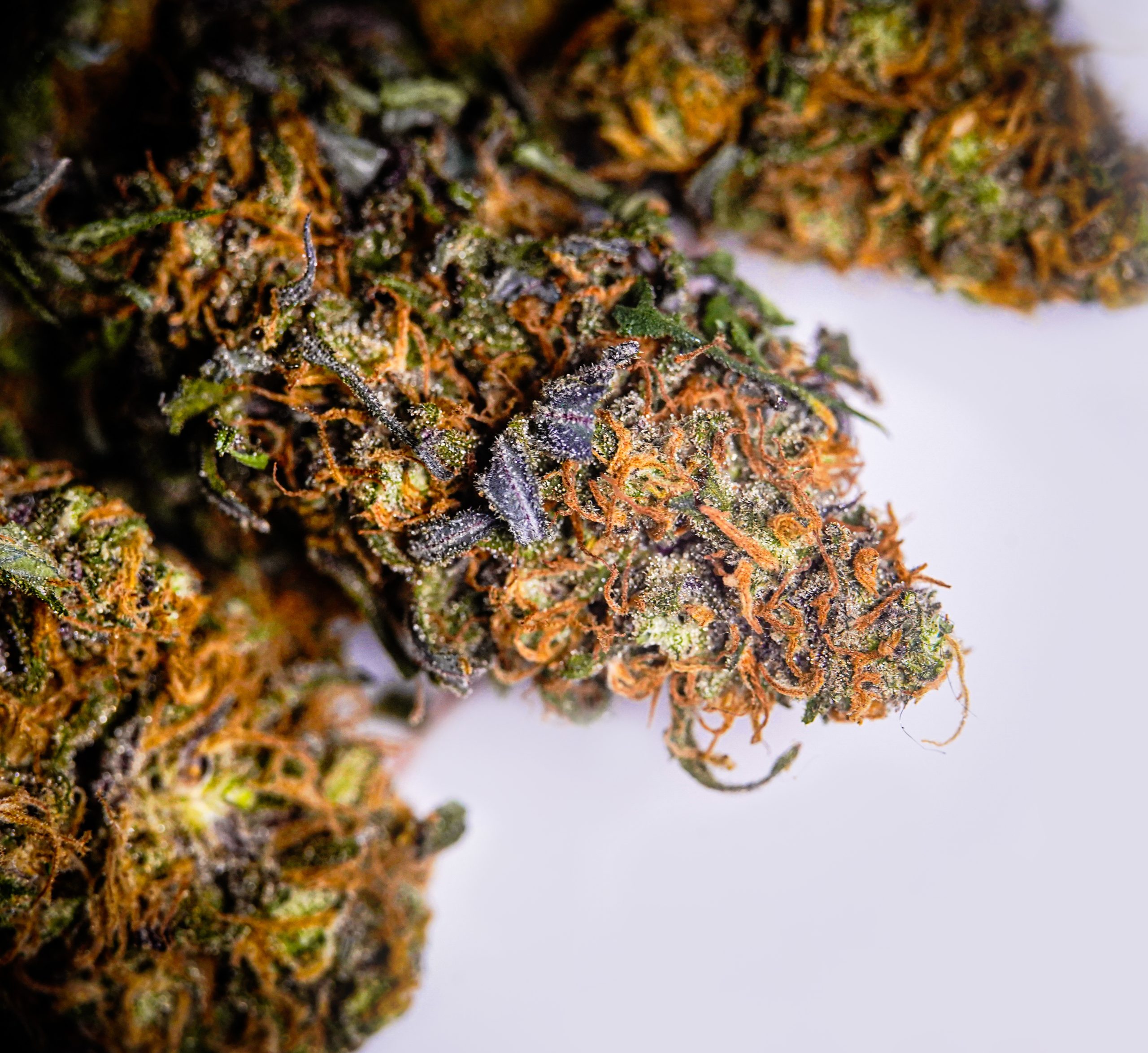
As cannabis becomes more accessible in both medical and recreational settings, it’s increasingly important to understand how this plant affects the human body. Cannabis interacts with multiple systems in complex ways, producing a wide range of effects—some beneficial, others potentially harmful. The outcome depends on how it’s used, who’s using it, and in what context.
This guide explores the short-term and long-term effects of cannabis, with a detailed breakdown of its impact on physical and mental health, as well as specific considerations for younger individuals and pregnant users.
What Is Cannabis and How Is It Used?
Cannabis is a plant that contains a variety of active compounds, the most well-known being:
- THC (delta-9-tetrahydrocannabinol): The main psychoactive component that produces a “high.”
- CBD (cannabidiol): A non-intoxicating compound often used for pain, inflammation, and anxiety relief.
People consume cannabis in several ways, including:
- Smoking (joints, pipes, bongs)
- Vaping (dry flower or oil concentrates)
- Edibles (baked goods, gummies, chocolates)
- Oils and tinctures (sublingual drops)
- Topicals (creams, balms, transdermal patches)
- Teas and beverages
Each method delivers different onset times and durations of effects. Smoking and vaping offer quick relief but may carry respiratory risks, while edibles and oils provide longer-lasting effects but take more time to activate.
Effects on Physical Health
Cannabis can influence many systems in the body, including the nervous, respiratory, immune, and cardiovascular systems. Here’s how it affects physical health:
1. Respiratory System
When inhaled, cannabis smoke can:
- Cause bronchial irritation and chronic cough
- Increase phlegm production
- Exacerbate conditions like asthma or bronchitis
- Introduce combustion byproducts that may damage lung tissue
While cannabis smoke contains fewer carcinogens than tobacco, regular use still carries risk, especially for heavy smokers. Non-combustible forms such as vaporizers or edibles eliminate these respiratory concerns.
2. Immune System
Research suggests THC may suppress immune function, potentially increasing susceptibility to infections. This effect is more pronounced with chronic use and is still being studied in detail.
3. Cardiovascular System
Cannabis can temporarily increase heart rate by 20–50 beats per minute, particularly in inexperienced users or those with existing cardiovascular conditions. Some studies also note elevated blood pressure immediately after consumption, followed by a lowering effect.
4. Eye Health
One of the most visible short-term effects of cannabis is red eyes, caused by increased blood flow. Cannabis may also offer short-term relief for intraocular pressure in glaucoma, though the benefit is temporary and not always clinically recommended.
5. Gastrointestinal Health
Cannabis may relieve nausea and stimulate appetite, which is especially beneficial for people undergoing chemotherapy or dealing with conditions like HIV/AIDS. However, in rare cases, long-term heavy use may lead to cannabinoid hyperemesis syndrome, a condition that causes repeated episodes of severe nausea and vomiting.
Effects on Psychological Health
Cannabis interacts with the brain’s endocannabinoid system, influencing mood, memory, and perception. Effects vary significantly between individuals and are shaped by dosage, strain type, and personal mental health history.
1. Mood and Anxiety
Cannabis can have calming or anxiety-reducing effects in some users, but in others, it may worsen anxiety, cause panic attacks, or trigger paranoia—especially at high doses or in unfamiliar settings.
2. Memory and Cognitive Function
Short-term effects include impairment in short-term memory, attention, and decision-making. These effects typically wear off after the high subsides, but regular long-term use—particularly when started during adolescence—has been linked to long-lasting cognitive decline.
3. Perception and Coordination
Cannabis affects sensory perception and motor coordination, which can impair driving, operating machinery, or performing tasks that require focus. Reaction time is also delayed, posing safety risks in high-responsibility environments.
4. Risk of Dependency
While cannabis is generally considered less addictive than alcohol or opioids, it is possible to develop Cannabis Use Disorder, especially with frequent use over long periods. Symptoms can include cravings, tolerance, withdrawal, and interference with daily activities.
Special Considerations for Younger Users
Cannabis can have particularly strong effects on people under 25 due to ongoing brain development, particularly in areas responsible for decision-making, memory, and impulse control.
1. Adolescents and Teens
Regular cannabis use among teenagers is associated with:
- Reduced academic performance
- Impaired cognitive development
- Higher risk of depression or anxiety disorders later in life
- Potential for long-term memory and attention issues
2. Prenatal Exposure
Cannabis use during pregnancy can affect fetal brain development, leading to potential issues with attention, memory, and behavioral regulation in children. These effects may also carry over into adolescence. Likewise, THC can pass through breast milk, potentially impacting infants’ neurodevelopment.
Long-Term Effects of Cannabis
While many of cannabis’ short-term effects are well understood, the long-term consequences of consistent use are still being researched. Potential outcomes include:
1. Memory and Cognitive Issues
Chronic, heavy cannabis use may lead to persistent memory and concentration problems, particularly in users who started in adolescence.
2. Respiratory Conditions
Long-term smoking may contribute to chronic bronchitis or lung irritation, although a definitive link to lung cancer has not been established due to conflicting data.
3. Mental Health Disorders
Ongoing use, especially in those with a family history of mental illness, may increase the risk of psychosis or schizophrenia. This association is stronger in high-potency THC products and when cannabis is used daily.
4. Cannabinoid Hyperemesis Syndrome (CHS)
This rare but serious condition affects some long-term, high-dose cannabis users and results in recurrent nausea, vomiting, and abdominal pain. Symptoms usually resolve with cessation of cannabis use.
Secondhand Cannabis Smoke
While not as well-studied as tobacco smoke, secondhand cannabis smoke may pose health risks, particularly in enclosed spaces. Preliminary research suggests possible effects include:
- Temporary intoxication (especially in children or pets)
- Lung irritation
- Increased exposure to harmful particulates
Further research is needed to fully understand the effects of passive exposure.
Takeaway: Is Cannabis Good or Bad for Your Health?
Cannabis has proven benefits for pain relief, appetite stimulation, and nausea control, particularly when used under medical supervision. It also shows promise in treating neurological disorders and managing certain mental health symptoms.
However, it is not a one-size-fits-all remedy. For some users—especially adolescents, pregnant women, and individuals with a predisposition to mental health disorders—cannabis can pose significant risks.
As the market grows and more research becomes available, the emphasis must remain on education, responsible use, and medically guided treatment. Choosing the right form, dose, and frequency is essential to maximizing cannabis’ benefits while minimizing its potential harms.


3 Must-Visit Dispensaries Changing the Cannabis Game in California

3 Underrated Dispensaries in California That Deserve More Hype

3 Low-Key Dispensaries in California With Top-Shelf Weed

Top 15 U.S. States by Cannabis Sales Per Dispensary in 2024

New York Cannabis Sales Surge as Licensed Market Expands Statewide

Hemp-Derived THC Drinks Attract Big Players Amid Rising Demand and Regulatory Tension
