
Cannabis Education
How Climate Change Is Disrupting Cannabis Cultivation and Margins


The cannabis industry is already known for its tight regulations, unpredictable pricing, and inconsistent access to capital. Now, a new threat is compounding the challenges: climate change. As rising global temperatures lead to more extreme weather events, cannabis cultivators are experiencing disruptions that go far beyond seasonal setbacks.
Whether it’s wildfire smoke damaging the chemical composition of flowers, drought reducing cannabinoid production, or heavy rains interfering with soil and groundwater quality, climate volatility is emerging as a major stressor on cannabis operations—and on bottom lines.
Smoke Without Fire: An Invisible Threat
Wildfires have become increasingly common across western states, but it’s not always the flames that do the most damage. Cannabis plants are particularly sensitive to airborne particulates and chemical exposure, especially during their flowering stages. Even when fires are miles away, the smoke they generate can settle over cultivation sites and linger for days or weeks.
The result? Lower quality yields, contaminated aroma profiles, and reduced light exposure that collectively impact potency and sell-through rates. Industry data from California suggests that smoke alone—not direct fire exposure—was responsible for more than a billion dollars in cannabis losses in 2021. That number is only expected to grow as fire seasons lengthen and intensify.
Drought’s Double Blow to Yields and Cannabinoids
While smoke taint draws more immediate attention, drought is quietly undermining cannabis output and consistency across multiple regions. Cannabis is a thirsty plant, and access to water—especially during flowering—directly affects bud size, resin development, and cannabinoid density.
Emerging research suggests that under prolonged drought stress, plants not only produce smaller yields, but also lower levels of cannabinoids like CBD and THC. That drop in potency has downstream consequences: flower that fails to meet label thresholds often ends up devalued, converted to extract, or discarded altogether.
This issue is especially acute in states like California, where water access is already tightly regulated, and cultivators must often rely on wells, stored reserves, or complex permitting to secure irrigation rights. Inconsistent rainfall patterns and longer dry seasons are now exposing how vulnerable those systems truly are.
Excess Rain Isn’t Better
At the other end of the climate spectrum, intensifying storms and flash flooding are causing their own share of damage. Heavy rain can erode topsoil, flood root zones, and lead to nutrient imbalances. Perhaps more critically, saturated ground can leach nitrates from fertilizers into aquifers—polluting groundwater that many farms rely on for ongoing hydration.
High nitrate levels don’t just present environmental concerns; they can interfere with nutrient uptake in cannabis plants, leading to weaker terpene expression and cannabinoid inconsistencies. For brands built on flavor and efficacy, this presents a direct challenge to maintaining product standards.
Fixed Locations, Fixed Risks
Unlike many traditional crops, cannabis cannot be grown just anywhere. Cultivation is tied to property-specific zoning, infrastructure, and licensing—making it extremely difficult for growers to relocate when conditions become unfavorable.
This immobility adds another layer of risk. A farmer facing persistent drought or storm damage can’t simply lease new land down the road; they’re locked into sites that may no longer support high-performance yields.
Fencing requirements, surveillance systems, permit renewals, and proximity to approved water sources mean that a single piece of land may represent years of sunk investment. When climate conditions change, the only option is to adapt—or absorb the losses.
Limited Federal Support, Even as Damage Mounts
While farmers of conventional crops can apply for aid through federal disaster relief or subsidized insurance programs, cannabis operators are largely excluded from these safety nets due to the plant’s federal Schedule I status. Even in medical-legal states, growers cannot access the USDA’s Noninsured Crop Disaster Assistance Program or receive Farm Service Agency loans.
This leaves licensed cannabis businesses—already operating on slim margins—exposed to financial shocks without institutional backup. In some cases, farms must absorb hundreds of thousands in unexpected losses with no path to compensation.
Turning to Science for Adaptation
One promising avenue of resilience is rooted in plant biology and data-driven cultivation strategies. As farmers begin to observe which cultivars perform better under smoke, drought, or flood conditions, some are partnering with labs and researchers to develop more climate-tolerant strains.
Preliminary findings suggest that cannabis varietals with high terpene concentrations or sugar content may be more susceptible to smoke damage, whereas certain dense-leaf phenotypes retain more heat during drought. These insights could help shape future breeding programs, optimized for climate variability rather than just cannabinoid content.
A Sector at an Inflection Point
Climate change is no longer a distant worry for the cannabis industry—it’s a day-to-day operational challenge. From delayed harvests to smoke-altered terpene profiles, the impact on both product quality and financial viability is becoming harder to ignore.
As regulators, investors, and operators look toward the long-term future of cannabis, climate resilience must become part of the conversation. That means new infrastructure, alternative water strategies, revised insurance frameworks, and greater investment in scientific research.
The path forward is uncertain, but one thing is clear: the success of tomorrow’s cannabis farms will depend not just on craft or compliance—but on adaptation.
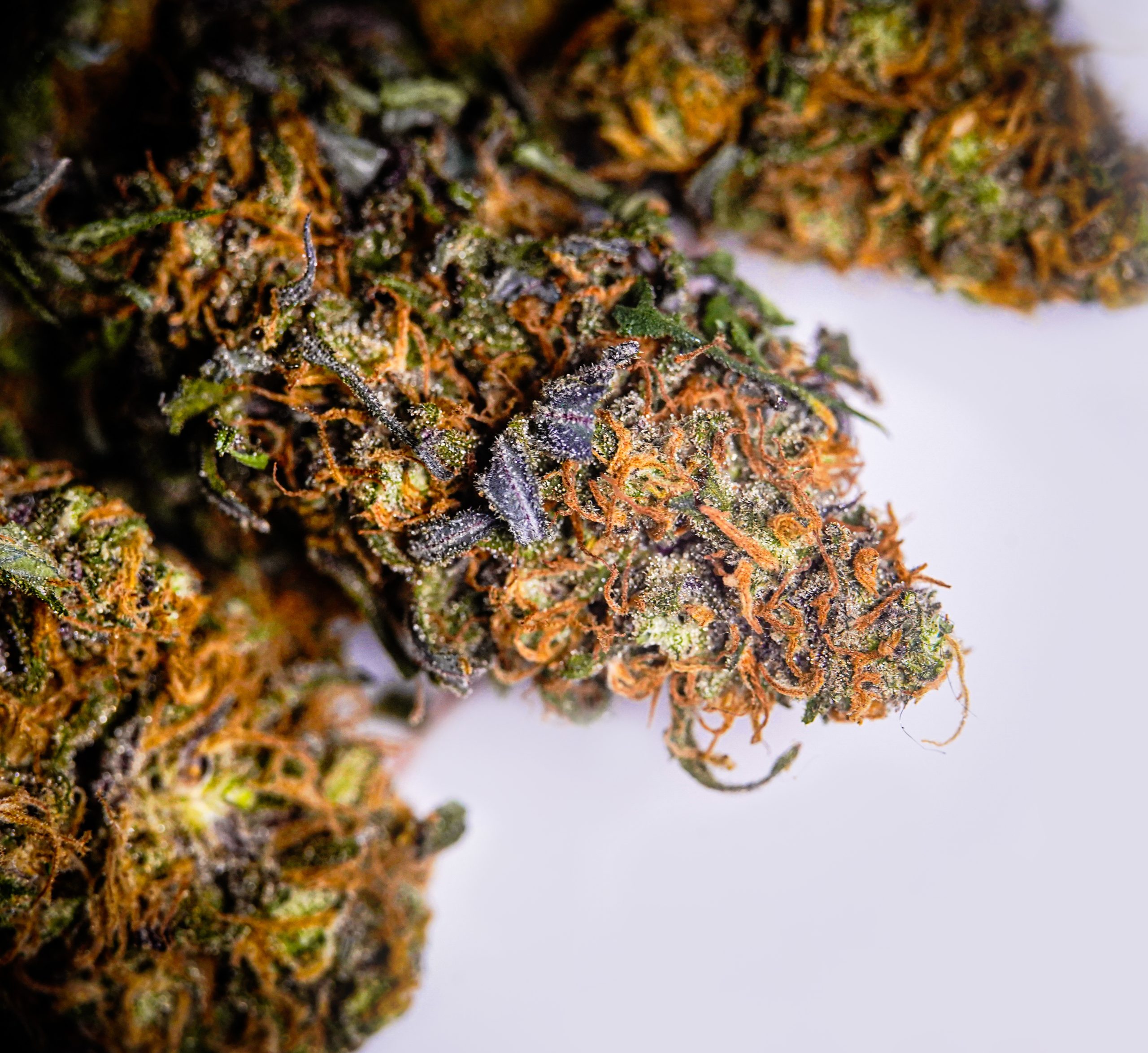
As cannabis becomes more accessible in both medical and recreational settings, it’s increasingly important to understand how this plant affects the human body. Cannabis interacts with multiple systems in complex ways, producing a wide range of effects—some beneficial, others potentially harmful. The outcome depends on how it’s used, who’s using it, and in what context.
This guide explores the short-term and long-term effects of cannabis, with a detailed breakdown of its impact on physical and mental health, as well as specific considerations for younger individuals and pregnant users.
What Is Cannabis and How Is It Used?
Cannabis is a plant that contains a variety of active compounds, the most well-known being:
- THC (delta-9-tetrahydrocannabinol): The main psychoactive component that produces a “high.”
- CBD (cannabidiol): A non-intoxicating compound often used for pain, inflammation, and anxiety relief.
People consume cannabis in several ways, including:
- Smoking (joints, pipes, bongs)
- Vaping (dry flower or oil concentrates)
- Edibles (baked goods, gummies, chocolates)
- Oils and tinctures (sublingual drops)
- Topicals (creams, balms, transdermal patches)
- Teas and beverages
Each method delivers different onset times and durations of effects. Smoking and vaping offer quick relief but may carry respiratory risks, while edibles and oils provide longer-lasting effects but take more time to activate.
Effects on Physical Health
Cannabis can influence many systems in the body, including the nervous, respiratory, immune, and cardiovascular systems. Here’s how it affects physical health:
1. Respiratory System
When inhaled, cannabis smoke can:
- Cause bronchial irritation and chronic cough
- Increase phlegm production
- Exacerbate conditions like asthma or bronchitis
- Introduce combustion byproducts that may damage lung tissue
While cannabis smoke contains fewer carcinogens than tobacco, regular use still carries risk, especially for heavy smokers. Non-combustible forms such as vaporizers or edibles eliminate these respiratory concerns.
2. Immune System
Research suggests THC may suppress immune function, potentially increasing susceptibility to infections. This effect is more pronounced with chronic use and is still being studied in detail.
3. Cardiovascular System
Cannabis can temporarily increase heart rate by 20–50 beats per minute, particularly in inexperienced users or those with existing cardiovascular conditions. Some studies also note elevated blood pressure immediately after consumption, followed by a lowering effect.
4. Eye Health
One of the most visible short-term effects of cannabis is red eyes, caused by increased blood flow. Cannabis may also offer short-term relief for intraocular pressure in glaucoma, though the benefit is temporary and not always clinically recommended.
5. Gastrointestinal Health
Cannabis may relieve nausea and stimulate appetite, which is especially beneficial for people undergoing chemotherapy or dealing with conditions like HIV/AIDS. However, in rare cases, long-term heavy use may lead to cannabinoid hyperemesis syndrome, a condition that causes repeated episodes of severe nausea and vomiting.
Effects on Psychological Health
Cannabis interacts with the brain’s endocannabinoid system, influencing mood, memory, and perception. Effects vary significantly between individuals and are shaped by dosage, strain type, and personal mental health history.
1. Mood and Anxiety
Cannabis can have calming or anxiety-reducing effects in some users, but in others, it may worsen anxiety, cause panic attacks, or trigger paranoia—especially at high doses or in unfamiliar settings.
2. Memory and Cognitive Function
Short-term effects include impairment in short-term memory, attention, and decision-making. These effects typically wear off after the high subsides, but regular long-term use—particularly when started during adolescence—has been linked to long-lasting cognitive decline.
3. Perception and Coordination
Cannabis affects sensory perception and motor coordination, which can impair driving, operating machinery, or performing tasks that require focus. Reaction time is also delayed, posing safety risks in high-responsibility environments.
4. Risk of Dependency
While cannabis is generally considered less addictive than alcohol or opioids, it is possible to develop Cannabis Use Disorder, especially with frequent use over long periods. Symptoms can include cravings, tolerance, withdrawal, and interference with daily activities.
Special Considerations for Younger Users
Cannabis can have particularly strong effects on people under 25 due to ongoing brain development, particularly in areas responsible for decision-making, memory, and impulse control.
1. Adolescents and Teens
Regular cannabis use among teenagers is associated with:
- Reduced academic performance
- Impaired cognitive development
- Higher risk of depression or anxiety disorders later in life
- Potential for long-term memory and attention issues
2. Prenatal Exposure
Cannabis use during pregnancy can affect fetal brain development, leading to potential issues with attention, memory, and behavioral regulation in children. These effects may also carry over into adolescence. Likewise, THC can pass through breast milk, potentially impacting infants’ neurodevelopment.
Long-Term Effects of Cannabis
While many of cannabis’ short-term effects are well understood, the long-term consequences of consistent use are still being researched. Potential outcomes include:
1. Memory and Cognitive Issues
Chronic, heavy cannabis use may lead to persistent memory and concentration problems, particularly in users who started in adolescence.
2. Respiratory Conditions
Long-term smoking may contribute to chronic bronchitis or lung irritation, although a definitive link to lung cancer has not been established due to conflicting data.
3. Mental Health Disorders
Ongoing use, especially in those with a family history of mental illness, may increase the risk of psychosis or schizophrenia. This association is stronger in high-potency THC products and when cannabis is used daily.
4. Cannabinoid Hyperemesis Syndrome (CHS)
This rare but serious condition affects some long-term, high-dose cannabis users and results in recurrent nausea, vomiting, and abdominal pain. Symptoms usually resolve with cessation of cannabis use.
Secondhand Cannabis Smoke
While not as well-studied as tobacco smoke, secondhand cannabis smoke may pose health risks, particularly in enclosed spaces. Preliminary research suggests possible effects include:
- Temporary intoxication (especially in children or pets)
- Lung irritation
- Increased exposure to harmful particulates
Further research is needed to fully understand the effects of passive exposure.
Takeaway: Is Cannabis Good or Bad for Your Health?
Cannabis has proven benefits for pain relief, appetite stimulation, and nausea control, particularly when used under medical supervision. It also shows promise in treating neurological disorders and managing certain mental health symptoms.
However, it is not a one-size-fits-all remedy. For some users—especially adolescents, pregnant women, and individuals with a predisposition to mental health disorders—cannabis can pose significant risks.
As the market grows and more research becomes available, the emphasis must remain on education, responsible use, and medically guided treatment. Choosing the right form, dose, and frequency is essential to maximizing cannabis’ benefits while minimizing its potential harms.
Health And Wellness
Is Weed Good for You? A Complete Guide to the Health Benefits and Risks of Cannabis

Cannabis is one of the most widely discussed and researched natural substances in modern healthcare. As laws evolve and public perception shifts, more people are asking a fundamental question: Is cannabis actually good for you?
The answer, like the plant itself, is complex. Research suggests that cannabis and its compounds—primarily THC and CBD—can offer therapeutic benefits for several conditions, particularly when used under medical supervision. However, cannabis is not without its risks, especially when used improperly or outside of legal and clinical settings.
This guide explores the scientific evidence behind cannabis use, breaking down both its potential health benefits and known risks. Whether you’re a patient, caregiver, or simply curious about cannabis as medicine, this resource offers an informed look at what current research says about weed and your health.
Understanding Cannabis Compounds
Cannabis contains hundreds of chemical compounds, but the two most prominent are:
- THC (delta-9-tetrahydrocannabinol): The primary psychoactive compound in cannabis, responsible for the “high.” THC has demonstrated therapeutic effects, particularly for pain, nausea, appetite stimulation, and muscle spasticity.
- CBD (cannabidiol): A non-intoxicating compound with anti-inflammatory, anticonvulsant, and anxiolytic properties. It does not produce a high and is increasingly used in medical treatments and wellness products.
Many of cannabis’ medical benefits are attributed to these two compounds, often in combination for what’s called the “entourage effect,” where multiple cannabinoids work synergistically.
Medical Benefits of Cannabis
Over the past two decades, growing evidence has highlighted cannabis’ potential in managing a range of medical conditions. Below are the most studied and supported applications.
1. Chronic Pain Management
One of the most common reasons patients turn to cannabis is to manage chronic pain. Clinical reviews have shown that cannabinoids can provide moderate relief for various forms of persistent pain, especially neuropathic pain, which is often difficult to treat with standard medications.
Medical cannabis may also reduce reliance on opioid painkillers, offering an alternative that carries less risk of overdose and addiction.
2. Multiple Sclerosis (MS)
Cannabis has demonstrated effectiveness in reducing muscle spasticity and stiffness in patients with MS. Oral THC or combined THC-CBD formulations have shown modest improvements in mobility, muscle control, and quality of life.
3. Nausea and Appetite Stimulation
Cannabinoids are especially useful for chemotherapy-induced nausea and vomiting. THC-based medications like dronabinol are FDA-approved for this purpose. Cannabis may also help stimulate appetite in people undergoing cancer treatment or living with HIV/AIDS.
4. Epilepsy
One of the most robust areas of research has led to the FDA approval of Epidiolex, a CBD-based medication for rare forms of epilepsy like Dravet syndrome and Lennox-Gastaut syndrome. Clinical trials have shown that CBD can significantly reduce the frequency of seizures in these conditions.
5. Mental Health Support
Cannabis is being explored for its potential to alleviate symptoms of PTSD, anxiety, and depression. Early studies suggest some benefit, particularly for veterans and trauma survivors using cannabis to manage flashbacks, insomnia, and hyperarousal.
However, this remains an evolving field, and cannabis may not be appropriate for all mental health conditions—particularly bipolar disorder or psychosis, where use may worsen symptoms.
6. Alcohol and Opioid Use Reduction
Some patients report using cannabis to cut back on or replace alcohol and opioids, citing fewer side effects and a lower risk of dependence. While observational studies support this substitution effect, more clinical research is needed to assess safety and long-term outcomes.
Forms of Medicinal Cannabis
Legal medical cannabis can come in many forms, depending on the condition and desired outcome:
- Oils and tinctures: Oral solutions typically high in CBD and/or THC, used for precise dosing
- Capsules and tablets: Standardized dosing for chronic conditions
- Topicals: Creams and balms applied to the skin for localized relief
- Vaporizers and inhalers: Rapid-onset delivery, often used for breakthrough symptoms
- Edibles: Longer-lasting effects but slower onset
- Dried flower (smoked or vaporized): Common but carries respiratory risks
Prescriptions or recommendations vary depending on the country or state law. In all cases, medical cannabis should be obtained from licensed dispensaries or pharmacies to ensure quality and safety.
Health Risks of Cannabis
Despite its medical potential, cannabis carries real risks—especially when used recreationally or without proper guidance.
1. Mental Health Concerns
Regular or heavy cannabis use, particularly strains high in THC, has been linked to an increased risk of psychosis, schizophrenia, and suicidal ideation, especially in those with a family history of mental illness. Some evidence also suggests a link to worsening depressive symptoms in certain individuals.
2. Cannabis Use Disorder
While not as addictive as substances like nicotine or opioids, cannabis can lead to problematic use, especially when consumption becomes habitual. Cannabis Use Disorder affects an estimated 10–30% of regular users, depending on frequency and individual susceptibility.
3. Respiratory Health
Smoking cannabis can damage the lungs over time, potentially leading to chronic bronchitis, lung irritation, and reduced oxygen absorption. These effects are more pronounced when cannabis is smoked with tobacco or used in high volumes.
Non-combustible forms like edibles, tinctures, or vaporizers significantly reduce this risk.
4. Cognitive Impairment
THC can temporarily impair memory, concentration, and coordination, making activities like driving risky. Long-term use beginning in adolescence may have lasting impacts on brain development, underscoring the importance of age restrictions and responsible use.
5. Reproductive and Hormonal Effects
Some studies suggest long-term cannabis use may impact fertility, sperm quality, and hormonal balance, although findings are still inconclusive and may depend on dosage and duration of use.
Legal and Research Challenges
Although public and scientific interest in cannabis is growing, legal barriers continue to hinder comprehensive research, especially in the United States. Because cannabis is still classified as a Schedule I substance federally, researchers face restrictions in funding, product access, and study design.
This has created a fragmented evidence base, where real-world use is outpacing clinical science, and some medical claims remain anecdotal or under-researched.
Calls for reclassification to Schedule III under the Controlled Substances Act could pave the way for more robust, federally supported cannabis research.
Practical Considerations and Safe Use
For those considering medical cannabis, a few key principles can help ensure safe and effective use:
- Start low and go slow: Begin with a low dose, especially if you’re new to cannabis or trying a new product
- Work with a licensed healthcare provider: Medical guidance can help optimize therapeutic effects and reduce interactions with other medications
- Know your product: Purchase from reputable, licensed dispensaries that provide lab-tested cannabinoid profiles and dosage guidelines
- Understand local laws: Legality varies by state and country; always follow regulations for possession, use, and travel
Final Thoughts: Is Cannabis Good for You?
Cannabis is neither universally good nor bad. It is a therapeutic tool with a wide range of effects, depending on how it is used, who is using it, and for what purpose. For many patients, cannabis provides real relief from symptoms that other medications cannot adequately address. For others, it may pose risks to mental or physical health when used inappropriately or excessively.
As research evolves, so too will our understanding of how cannabis fits into modern healthcare. For now, the key to safe and effective cannabis use lies in education, regulation, and evidence-based medical guidance.

Cannabis remains one of the most widely consumed substances in the world, used for both medical and recreational purposes. Whether for legal compliance, employment screening, or personal curiosity, many users wonder: How long does cannabis stay in your system?
The answer isn’t simple. Unlike alcohol, which leaves the body relatively quickly, cannabis compounds can linger for days, weeks, or even longer, depending on a wide range of factors. These include the type of drug test used, how frequently the individual uses cannabis, and even their metabolism.
This guide breaks down the science behind cannabis detection, the types of tests used, and what influences how long cannabis stays in your body.
What Are Drug Tests Detecting?
When you consume cannabis, the body processes delta-9-tetrahydrocannabinol (THC)—the main psychoactive compound—into various metabolites. The most commonly measured is THC-COOH, a non-psychoactive byproduct that accumulates in fat tissues and is gradually eliminated.
Drug tests don’t usually look for THC itself, especially in blood or urine. Instead, they detect these metabolites, which can remain long after the effects of cannabis have worn off.
Detection Windows by Test Type
Different drug tests vary in sensitivity, detection methods, and timeframes. Here’s a breakdown of the most common ones and how long after use cannabis can be detected.
1. Urine Test
- Most common test for workplace and legal screenings
- Detects THC-COOH
- Detection window:
- Single use: 1–3 days
- Moderate use (3–4 times/week): 5–7 days
- Frequent use (daily): 10–15 days
- Chronic heavy use (multiple times daily): 30+ days
Urine testing is favored due to cost-efficiency and a relatively wide detection window. However, it does not measure impairment—only past usage.
2. Blood Test
- Less common; used in medical or roadside DUI cases
- Detects active THC, not metabolites
- Detection window:
- Single use: up to 12 hours
- Frequent use: up to 7 days (in rare cases)
Because blood testing detects active THC, it’s more relevant for recent use and potential impairment, but it has a very short window of detection.
3. Saliva Test
- Used in some roadside or workplace scenarios
- Detects THC
- Detection window:
- Single use: up to 24 hours
- Frequent use: up to 72 hours
Saliva testing is gaining popularity for its non-invasive collection and ability to detect very recent use, but it may be less reliable than other methods.
4. Hair Test
- Used in some pre-employment or legal cases
- Detects THC metabolites embedded in hair shafts
- Detection window:
- Up to 90 days
Hair testing has the longest detection window, but it’s less likely to detect occasional use. It usually requires a 1.5-inch sample of hair from the scalp, which represents about three months of growth.
Factors That Affect How Long Cannabis Stays in Your System
No two users are the same. Several biological and behavioral variables influence how quickly your body processes and eliminates cannabis.
1. Frequency of Use
The most significant factor. Regular users accumulate THC in fat tissues, leading to longer detection times. Occasional users tend to clear THC metabolites within a few days.
2. Method of Consumption
- Smoking or vaping results in quicker onset and faster elimination.
- Edibles and tinctures take longer to metabolize and may remain in the system longer.
Oral ingestion results in more THC being processed through the liver, producing 11-hydroxy-THC, another potent metabolite.
3. Body Fat and Metabolism
THC is fat-soluble. People with higher body fat percentages may retain metabolites longer. Similarly, those with faster metabolisms may eliminate THC more quickly.
4. Hydration and Physical Activity
Although not a primary factor, staying hydrated and physically active may slightly accelerate the removal of metabolites. However, exercise can also temporarily raise THC metabolite levels by releasing stored THC from fat cells.
5. Dose and Potency
Higher doses of THC—especially from potent concentrates or edibles—lead to longer detection windows. Even a single high-dose session can extend metabolite presence for over a week.
Can You Speed Up THC Elimination?
There are many myths about “detoxing” from cannabis quickly, including drinking cranberry juice, vinegar, or taking detox pills. While hydration and exercise may help support natural elimination, there is no guaranteed or scientifically proven way to instantly flush THC from your body.
Some people attempt to dilute urine samples by drinking excessive water, which may trigger an inconclusive test result. However, labs now routinely test for creatinine levels and urine specific gravity to detect dilution.
Medical vs. Recreational Use: Does It Matter?
Legally, it often doesn’t. Drug tests do not distinguish between medical and recreational use, nor do they measure how recently someone used cannabis unless blood or saliva testing is involved.
That said, medical cannabis patients may face unique challenges if they are subject to routine testing for employment, custody cases, or other legal matters—even if they are using cannabis as recommended by a healthcare provider in a legal state.
Employers and agencies that do not accommodate medical cannabis may treat any positive result as a violation, regardless of medical need or impairment.
What About CBD Products?
Many people use CBD-only products, believing them to be safe from drug testing. However, some full-spectrum CBD products contain trace amounts of THC, potentially enough to trigger a positive result.
If you’re subject to drug testing, look for CBD products labeled “THC-free” or “broad-spectrum”, and make sure they come with third-party lab reports confirming THC levels.
Special Considerations
Athletes
Professional and amateur athletes are increasingly using cannabis or CBD for recovery, sleep, and pain relief. However, organizations like WADA (World Anti-Doping Agency) still ban THC in-competition, with detection thresholds and timing windows affecting eligibility.
Pregnant and Breastfeeding Individuals
While THC can remain in the body longer for some people, it is also known to cross the placenta and be present in breast milk. This raises concerns about developmental exposure, even if the parent hasn’t used cannabis for several days.
Legal Implications
In legal settings—such as probation, child custody cases, or DUI proceedings—testing positive for THC can carry consequences, even in cannabis-legal states. This underscores the importance of understanding local laws and employer policies.
Summary: How Long Does Cannabis Stay in the Body?
| Test Type | Detection Window (Occasional Use) | Frequent/Chronic Use |
|---|---|---|
| Urine | 1–3 days | Up to 30+ days |
| Blood | Up to 12 hours | Up to 7 days |
| Saliva | Up to 24 hours | Up to 72 hours |
| Hair | Up to 90 days | Up to 90+ days |
THC and its metabolites leave the body at different rates depending on a wide range of individual and behavioral factors. For occasional users, cannabis may be undetectable within a few days. For chronic users, however, it can linger for weeks or even months, especially in urine and hair samples.
Final Thoughts
Cannabis detection is a complicated issue that intersects with science, law, and personal health. Whether you’re concerned about an upcoming drug test, exploring cannabis as a medical option, or simply trying to understand how your body metabolizes it, it’s important to rely on accurate information—not myths or quick fixes.
If cannabis is part of your lifestyle or treatment plan, consider speaking with a healthcare provider or legal advisor, especially if drug testing or professional restrictions apply to your situation.


3 Must-Visit Dispensaries Changing the Cannabis Game in California

3 Underrated Dispensaries in California That Deserve More Hype

3 Low-Key Dispensaries in California With Top-Shelf Weed

Top 15 U.S. States by Cannabis Sales Per Dispensary in 2024

New York Cannabis Sales Surge as Licensed Market Expands Statewide

Hemp-Derived THC Drinks Attract Big Players Amid Rising Demand and Regulatory Tension
