
Cannabis Culture
Patients Are Increasingly Comfortable With Doctors Using Cannabis Off Duty

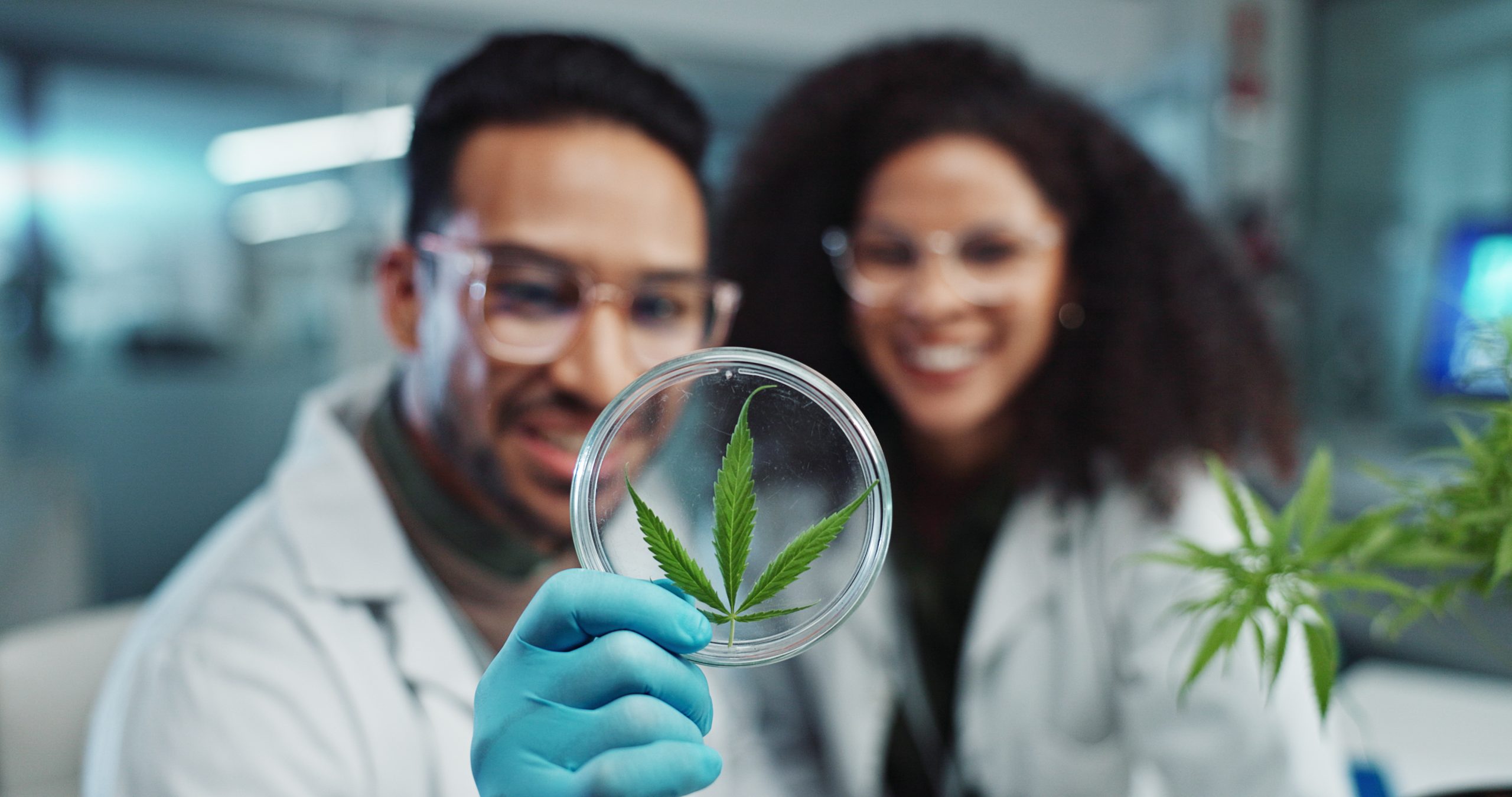
As the legal landscape for cannabis continues to shift across the United States, a new study out of Pennsylvania suggests that many patients are not only open to discussing cannabis in clinical settings—they’re also broadly accepting of their doctors using marijuana outside of work hours.
Published in Journal of Hand Surgery Global Online, the study surveyed nearly 400 orthopedic clinic patients in a state where only medical cannabis is legal. The findings show that a majority of respondents were more comfortable than not with the idea of healthcare providers using cannabis recreationally or medically, with comfort levels even higher for medical use.
Measuring Attitudes Toward Substance Use in Healthcare
The research aimed to understand how patients feel about doctors using various substances—including alcohol, nicotine, and cannabis—when not on duty. Alcohol topped the list in terms of acceptability, but medical cannabis closely followed, even outpacing nicotine in some areas.
When it came to recreational cannabis use, responses were more mixed. Still, nearly half of the patients surveyed expressed at least some level of comfort with their physicians using cannabis outside of work. The level of opposition to recreational use, while higher than for alcohol or nicotine, remained a minority viewpoint overall.
Interestingly, patient demographics—including age, educational background, and personal cannabis use—did not appear to significantly influence their comfort level with physician cannabis use.
Perceptions of Cannabis in Treatment Plans
Beyond off-duty use, the study also asked participants about their openness to discussing cannabis or CBD with their doctors as part of a treatment plan. Just over half of the respondents said they were open to these conversations, while around 40 percent were open to using cannabis as part of their own care.
CBD, in particular, garnered slightly more support as a treatment option, likely reflecting its non-intoxicating nature and growing popularity in wellness markets. Still, around one in five respondents reported uncertainty about discussing cannabis or CBD as part of their healthcare—highlighting lingering confusion or stigma, even among patients who are otherwise accepting.
Implications for Healthcare Providers
These findings arrive at a time when federal and state-level regulations still lag behind shifting public sentiment. Physicians are generally held to strict standards around drug use, yet policies remain unclear or inconsistent regarding cannabis, especially when used legally in a personal capacity.
The lack of clarity can deter healthcare providers from openly discussing cannabis—even as patients become more receptive to it. As legalization continues to expand, medical boards may be forced to reevaluate their positions, especially as evidence mounts in support of cannabis for chronic pain, sleep disorders, and anxiety.
This study suggests that physicians in states with legal access may not need to be as concerned about potential patient backlash as once thought—at least when it comes to responsible, off-duty cannabis use.
Regional Considerations and Study Limitations
The survey was conducted in four orthopedic clinics located in rural Pennsylvania, with a largely homogenous participant pool. As a result, the findings may not fully represent the views of patients in urban areas or more diverse populations. Additionally, because recreational use remains illegal in Pennsylvania, the responses may reflect more cautious or conservative views than would be seen in fully legal states.
Nonetheless, the results align with a growing national trend: patients increasingly view cannabis as comparable to alcohol or nicotine in terms of social acceptability, especially when used privately and not impairing job performance.
The Broader Context: Evolving Views in Medicine
The study adds to a broader conversation about how cannabis is perceived in professional environments—particularly in healthcare, where stigma and liability concerns often prevent open dialogue. As cannabis policy continues to evolve, the healthcare system may need to catch up—not just in terms of regulations, but also in education and communication.
For cannabis brands and advocates, these results are also notable. As acceptance of cannabis grows in clinical contexts, so too does the potential for medical collaborations, physician-led product development, and cannabis-informed care models.
Cannabis Industry News
Inflation Forces Two-Thirds of Cannabis Consumers to Cut Back on Spending, New Poll Shows

As inflation continues to shape consumer behavior across virtually every sector of the economy, cannabis is no exception. According to new survey results released by cannabis telehealth platform NuggMD, approximately two out of three marijuana consumers say they’ve reduced their cannabis spending due to rising costs.
The poll, conducted in early March, offers a snapshot of how broader economic pressures are affecting both recreational and medical cannabis users. With inflation driving up the price of necessities like groceries, rent, and healthcare, many consumers are rethinking their discretionary expenses—including cannabis.
Though cannabis is often categorized as a wellness product or medicine, it is not yet fully insulated from economic turbulence. The findings reflect a growing tension between cannabis affordability, regulatory obstacles, and the cost of living crisis, all of which are reshaping how people access and prioritize cannabis in their daily lives.
The Data: What the Poll Found
NuggMD’s survey, which polled 518 adult cannabis users, revealed that 66% of respondents are spending less on marijuana in response to inflation. The remaining 34% reported that inflation has not significantly changed their cannabis purchasing habits.
This latest poll marks a shift from earlier data. A separate NuggMD survey from late 2023 found that a majority of cannabis consumers were actually spending more year-over-year—and many expected to continue increasing their cannabis purchases in 2025. The contrast between these two sets of data suggests that inflationary pressure may have intensified more recently or that economic uncertainty is causing consumers to pull back on non-essential purchases as a precaution.
What’s Causing the Pullback?
While the survey does not specify whether the decline in spending is tied to higher product prices, tighter household budgets, or both, the overall message is clear: Cannabis is not immune to the same financial strain that’s hitting other sectors.
Some potential contributing factors include:
- Inflation on essential goods: As consumers pay more for food, housing, and energy, discretionary income available for cannabis shrinks.
- Medical inflation: The cost of healthcare, including over-the-counter and prescription treatments, is rising. This could lead patients to cut back on adjunct therapies, even those they find effective.
- Stagnant wages: In many industries, wage growth has not kept pace with inflation, reducing purchasing power across the board.
- Federal tax burdens on cannabis businesses: Policies like IRS Code 280E increase costs for cannabis companies, which are then passed on to the consumer.
Cannabis Taxes and IRS Code 280E: A Hidden Driver of Cost
A major contributor to the high price of cannabis products—particularly in the legal market—is the federal tax code, specifically Section 280E. This rule prohibits cannabis businesses from deducting typical business expenses because marijuana remains a Schedule I controlled substance under federal law.
As a result, legal cannabis operators often pay effective tax rates as high as 70–80%, forcing them to charge higher retail prices to remain profitable. This creates an unbalanced playing field where illegal or unregulated sellers can undercut prices, and legal operators struggle to compete—despite offering safer, tested products.
NuggMD’s communications team cited 280E as a direct factor in consumer cost, noting that removing or amending this policy could offer immediate financial relief to both businesses and buyers. There are ongoing discussions in Washington about rescheduling cannabis to Schedule III, which would effectively nullify 280E. However, the process has stalled, and new legislation introduced in Congress could entrench 280E further if passed.
Insurance Access: A Missed Opportunity
In addition to tax reform, another potential solution to cannabis affordability is insurance coverage for medical marijuana. Currently, cannabis is not covered by any major health insurance plan, even in states where it’s legal for medical use. This forces patients to pay out-of-pocket for products that could otherwise supplement or replace traditional medications.
If insurers were required to cover cannabis used for state-approved medical conditions, it could alleviate the financial burden for patients, particularly those with chronic pain, PTSD, or other conditions frequently treated with cannabis.
Advocates argue that the absence of coverage not only hurts patients—it creates two tiers of cannabis access: one for those who can afford regular use and one for those who cannot. As inflation continues to strain household budgets, this divide may become more pronounced.
Behavioral Shifts Among Consumers
The economic slowdown is pushing consumers to make more calculated decisions about cannabis purchases. Trends observed in multiple markets include:
- Bulk buying to reduce cost per gram or dose
- Switching to lower-cost product formats, such as flower instead of edibles or concentrates
- Reducing frequency of use to stretch supplies
- Turning to unlicensed sellers for cheaper options, raising safety and legal concerns
These behaviors are not without consequences. Reduced purchasing from licensed dispensaries means less tax revenue for states, weaker support for regulated businesses, and greater vulnerability to untested or mislabeled products.
The Bigger Picture: Economic Stress Meets Policy Paralysis
What this poll ultimately illustrates is that cannabis, despite growing legal access and social acceptance, remains vulnerable to both economic volatility and outdated federal policy. Without relief from high taxes and with limited integration into healthcare infrastructure, many consumers are being priced out of the legal market.
This challenge also has implications for the broader cannabis industry. Companies already facing compressed margins, overproduction, and regulatory complexity may now contend with decreased consumer spending and growing price sensitivity.
Meanwhile, policy solutions—whether it’s tax reform, rescheduling, or insurance coverage—remain mired in legislative gridlock. Without a coordinated effort to address these structural barriers, the pressure on both consumers and providers is likely to increase.
Will Consumers Return to Higher Spending?
Whether cannabis spending rebounds will depend on several factors:
- Stabilization of inflation and broader economic recovery
- Regulatory changes, including IRS reform or expanded insurance access
- Product innovation and pricing flexibility by brands and retailers
- Expanded legalization, which could normalize access and reduce costs through competition
For now, consumers are adjusting their habits, and the legal industry must adapt alongside them. Brands that can offer value, education, and accessibility may weather the storm better than those focused solely on premium positioning or high-margin products.
Final Thoughts
The latest data from NuggMD signals an important trend: cannabis consumption is not immune to economic forces, and the cost of legal compliance may be outpacing what many consumers can afford. As inflation and stagnant policy continue to intersect, both cannabis users and businesses are feeling the pinch.
For lawmakers, the message is clear. Modernizing cannabis regulation and taxation isn’t just a matter of justice—it’s a matter of affordability and economic sustainability. Without change, more consumers may be pushed out of the legal market, slowing the growth of an industry that’s still finding its footing.

Public opinion in the United States continues to shift around cannabis. According to a recent survey conducted by YouGov, a clear majority of Americans now believe alcohol is more harmful to personal health than marijuana. Yet despite this evolving perception, many adults still report drinking more often than consuming cannabis—and even say they enjoy alcohol more.
The findings underscore a growing disconnect between what people believe about cannabis and how they engage with it. As legal access continues to expand and cannabis-related stigma fades, the question arises: why do so many Americans still lean toward alcohol when their views suggest cannabis may be the safer option?
The Numbers: What the Poll Shows
The YouGov survey polled nearly 20,000 U.S. adults, making it one of the more comprehensive consumer sentiment studies on this topic to date. When asked which substance is more harmful to a person’s health, 58% of respondents selected alcohol, while only 19% chose marijuana. Another 10% said neither was more harmful than the other, and 13% were unsure.
This belief was relatively consistent across political affiliations. A majority of Democrats (64%), Independents (59%), and even a narrow majority of Republicans (52%) agreed that alcohol is the more dangerous substance. These results suggest that cannabis reform is no longer a partisan issue—Americans across the board are beginning to recognize the risks associated with alcohol, especially in comparison to cannabis.
Despite this, when it came to actual behavior and preference:
- 27% said they enjoy drinking alcohol more than consuming cannabis
- 13% said they prefer cannabis
- 5% enjoy both equally
- 48% don’t personally enjoy either
As for frequency of use:
- 27% reported drinking alcohol more often
- 11% reported using marijuana more
- 4% use both equally
- 52% use neither
These statistics reveal a cultural lag between shifting beliefs and ingrained habits, particularly when it comes to recreational behaviors.
Why the Disconnect?
If most Americans believe cannabis is less harmful than alcohol, why do they still favor drinking? The answer likely lies in cultural inertia, accessibility, and social normalization.
1. Historical Legitimacy of Alcohol
Alcohol has long been a fixture of American culture, embedded in everything from celebrations and sporting events to casual dining and networking. It is socially accepted, widely advertised, and legally consumed in all 50 states. For many adults, drinking is an activity that begins early in adulthood and continues throughout life.
Marijuana, on the other hand, still carries lingering stigma—even in legal states. Though public perception is evolving, the generational effects of prohibition continue to shape how many people view cannabis consumption, particularly among older adults and in conservative-leaning regions.
2. Ease of Access and Marketing
Alcohol is available in nearly every grocery store, restaurant, and convenience shop across the country. Cannabis, by contrast, is still federally illegal, heavily regulated, and unavailable in many parts of the U.S. Even in legalized states, dispensaries are limited by zoning laws, and access is often restricted by ID requirements and purchase limits.
The marketing of cannabis is also far more constrained than that of alcohol, which can be freely promoted during sporting events, television programs, and online. This imbalance reinforces alcohol’s dominance, even among people who might prefer cannabis if access were equal.
3. Habits and Comfort Zones
Another key factor is habitual use. For someone who has long relied on alcohol to unwind, socialize, or manage stress, shifting to cannabis requires not only access but a change in comfort and familiarity. People often default to what they know, even when presented with alternatives they acknowledge as safer.
The Rise of Cannabis Substitution
While traditional behavior still favors alcohol, cannabis is making noticeable gains—especially among younger and health-conscious demographics. A growing body of research shows that legal access to cannabis correlates with decreased alcohol consumption, and many users report actively substituting cannabis for alcohol.
In fact, a separate study released earlier this year found that over half of cannabis users say they drink less alcohol—or none at all—after starting cannabis use. These patterns have significant implications for both public health and the alcohol industry, which now sees cannabis as a competitive threat.
An analysis from Bloomberg Intelligence even labeled cannabis substitution as a “soaring trend,” suggesting that cannabis could pose a long-term disruption to beer, wine, and spirits sales, particularly among wellness-driven consumers.
Supporting Studies Paint a Broader Picture
Multiple studies and surveys conducted over the past two years support the notion that cannabis is not only less harmful than alcohol, but also a viable alternative for managing pain, stress, and sleep disorders.
A recent study from the journal Pain found that cannabis was as effective or more effective than prescription drugs for chronic pain treatment over a three-month period. Another paper published by Penn State College of Medicine reviewed over a dozen clinical trials and concluded that select cannabinoid formulations could offer pain relief with fewer side effects than opioids or alcohol.
Legalization in Canada has also provided useful data. One Canadian study reported that federal legalization of cannabis correlated with a drop in beer sales, further reinforcing the substitution trend.
Even broader, Gallup and American Psychiatric Association surveys have shown that Americans view marijuana as less harmful and less addictive than alcohol, tobacco, opioids, and even social media.
Cannabis Normalization Continues
The YouGov poll aligns with the broader cultural shift toward normalizing cannabis as a legitimate lifestyle and wellness choice. While actual use patterns still trail behind, the momentum is clear. The fact that a majority of Americans across political affiliations now believe alcohol is more dangerous than cannabis signals a major milestone for cannabis advocacy.
With public opinion steadily moving toward acceptance—and with younger generations embracing cannabis more readily than alcohol—it’s likely only a matter of time before usage patterns begin to reflect belief systems more accurately.
Final Thoughts
The latest polling reveals a clear contradiction: Americans believe cannabis is safer than alcohol, yet still reach for the bottle more often. This cognitive dissonance underscores the complexity of cultural change and highlights the enduring power of social norms.
As legalization continues to expand and cannabis becomes more normalized, particularly through wellness, medicinal, and recreational channels, the balance may shift. But until federal law aligns with public sentiment, and until access and education catch up with perception, alcohol is likely to remain the default—even if many Americans are questioning why.
Cannabis Culture
What Seth Rogen’s Singapore Story Reveals About High-Profile Cannabis Users and the Global Legal Divide


Seth Rogen—Hollywood actor, cannabis entrepreneur, and one of the most recognizable cannabis consumers in pop culture—recently recounted the rare occasion he abstained from marijuana. The setting? Singapore, a country with notoriously strict anti-drug laws and one of the most unforgiving drug enforcement systems in the world.
While the story was shared in jest during an interview, it underscores a deeper tension that many high-profile cannabis advocates and users face in a global landscape where legality varies widely. Rogen’s experience is both a cautionary tale and a case study in how cultural and legal boundaries complicate the relationship between cannabis normalization and international law.
Traveling While Cannabis-Positive: A Risk for Anyone, Not Just Celebrities
For most consumers in legal states, cannabis is as routine as alcohol or caffeine. But when it comes to international travel—especially to countries with severe penalties for drug possession—what’s normalized at home can become dangerous abroad.
In Rogen’s case, just being reminded that Singapore’s law imposes capital punishment for drug trafficking—and stiff penalties for even small-scale possession—was enough to enforce abstinence during his stay. The anxiety of unknowingly carrying residue or remnants of cannabis from another country was real, even for someone who runs a cannabis lifestyle brand and is intimately familiar with the plant.
This isn’t a problem limited to celebrities. With cannabis now legal or decriminalized in many parts of North America, more travelers than ever are inadvertently carrying trace amounts of cannabis or paraphernalia into regions with zero-tolerance policies. A simple mistake—like leaving a joint in a jacket pocket or packing a vape pen—can result in detention or criminal charges in countries that don’t share the same view on cannabis reform.
For public figures like Rogen, the risk is amplified by visibility. A random bag check or viral social media moment can quickly turn into a headline. That visibility forces celebrities to balance authenticity with compliance, especially when traveling for film shoots, business, or advocacy work.
The Global Legal Divide Is Still Vast
Rogen’s experience in Singapore highlights the enormous disparity between domestic cannabis reform and international enforcement. While many U.S. states have legalized cannabis for recreational or medical use, and Canada has gone fully legal at the federal level, dozens of countries still enforce harsh penalties.
In some nations, cannabis offenses can result in:
- Mandatory prison sentences
- Heavy financial fines
- Deportation or travel bans
- In extreme cases, capital punishment
Even where laws may appear lenient on paper, their interpretation can vary. For example, possession thresholds between “personal use” and “trafficking” can be ambiguous, and enforcement often hinges on local politics or police discretion.
This dynamic creates a global paradox: cannabis is one of the fastest-growing consumer categories in the U.S., with high-profile endorsements from celebrities and professional athletes, yet it remains one of the most heavily penalized substances in many countries.
Brand Builders and Boundary Navigators
As more celebrities launch cannabis brands, travel for international promotions, or engage in global business ventures, they’re navigating not just business risks, but also personal legal risks. This includes everything from ensuring their luggage is clean to carefully planning marketing language that respects local laws.
For someone like Seth Rogen, who co-founded Houseplant—a cannabis lifestyle and product company—this dual reality is constant. At home, he can post freely about strains and ashtrays. Abroad, his entire public persona might be at odds with local policy, even if he’s not carrying cannabis.
That balancing act speaks to a broader issue in the cannabis industry: How do brands and influencers scale globally in a world where cannabis is still widely criminalized?
Some answers include:
- Localizing product lines to include only CBD or hemp-derived ingredients in restricted markets
- Focusing on education and design-forward branding to build interest without promoting use
- Working with compliance specialists to navigate international import/export law
The Illicit Market Loyalty Factor
Interestingly, Rogen’s interview also touched on a different layer of cannabis culture: loyalty to legacy sellers. Despite having access to premium, legal dispensaries in Los Angeles, Rogen admitted to continuing to support his original weed dealers—comparing the relationship to supporting a mom-and-pop shop during big-box retail expansion.
That sentiment isn’t uncommon. Many long-time consumers feel a sense of personal and cultural connection to the illicit or legacy market, especially if they were part of pre-legalization networks. These ties aren’t just transactional—they’re built on trust, consistency, and history.
Even in fully legal states, some consumers continue to bypass the regulated system due to:
- Lower prices on the street
- More personalized service
- Familiarity and accessibility
- Distrust in corporate cannabis brands
This behavior presents a challenge to legal operators: How can regulated brands earn the trust that legacy sellers cultivated for decades? For Rogen, it’s a question of values. Supporting people who built the foundation of cannabis culture—even informally—isn’t just nostalgic; it’s an ethical consideration.
Normalization Comes with Responsibility
Rogen’s public stance as a cannabis user has helped push forward broader cultural acceptance. His openness normalizes cannabis for a wider audience, challenges outdated stigma, and reinforces the idea that cannabis consumers are functional, creative, and successful people.
But with visibility comes responsibility. His experiences—whether navigating harsh foreign laws or showing up unexpectedly stoned to a televised Adele concert—highlight that mainstream cannabis users face constant scrutiny.
Whether intended or not, Rogen’s stories become part of the public narrative around cannabis. Each anecdote serves as a real-world case study in how cannabis interacts with:
- Cultural norms
- Legal boundaries
- Media framing
- Brand authenticity
For aspiring cannabis entrepreneurs and public figures, the message is clear: it’s not enough to be a consumer—you also need to be a thoughtful ambassador.
Final Thoughts
Seth Rogen’s candid reflections on cannabis use, travel, and legacy loyalty offer more than celebrity insight—they reflect the complexities that come with being a high-profile cannabis advocate in a still-divided world. While legalization continues to advance across the U.S., and cannabis culture becomes more mainstream, the risks of global inconsistency remain real.
For public figures, entrepreneurs, and everyday consumers alike, Rogen’s story is a reminder: legalization isn’t universal, and awareness is as important as advocacy.


3 Must-Visit Dispensaries Changing the Cannabis Game in California

3 Underrated Dispensaries in California That Deserve More Hype

3 Low-Key Dispensaries in California With Top-Shelf Weed

Top 15 U.S. States by Cannabis Sales Per Dispensary in 2024

3 New Mexico Dispensaries That Make You Want to Stay and Explore

Hemp-Derived THC Drinks Attract Big Players Amid Rising Demand and Regulatory Tension
