
Legalization And Regulations
Indiana Advances Bill to Regulate Delta-8 THC as Lawmakers Seek Control Over Booming Hemp Market


Indiana lawmakers are one step closer to enacting sweeping regulations on hemp-derived cannabinoid products, including delta-8 THC. Senate Bill 478, which would establish a comprehensive framework to govern the sale and distribution of these widely available substances, has cleared its final committee hurdle in the House and is now set for a floor vote.
The legislation is the latest effort by state lawmakers to bring oversight to an unregulated segment of the cannabis market, one that has thrived in Indiana since the passage of the 2018 federal Farm Bill legalized hemp and its derivatives—so long as THC content remains below 0.3% by dry weight.
While Indiana has yet to legalize cannabis for recreational or medical use, delta-8 and other hemp-derived compounds have surged in popularity, readily available in gas stations, vape shops, and convenience stores. SB 478 seeks to rein in that sector, introducing age restrictions, licensing protocols, advertising guidelines, and new compliance obligations for businesses.
What’s in the Bill?
Senate Bill 478 proposes a multi-layered regulatory structure for hemp-derived cannabinoids, placing enforcement authority in the hands of the Indiana Alcohol and Tobacco Commission (ATC). Key provisions include:
- Minimum age requirement to purchase hemp-derived products
- Mandatory product testing to verify contents and ensure safety
- Packaging and labeling standards to prevent misleading marketing
- Advertising restrictions aimed at deterring youth exposure
- Licensing requirements for all retail outlets selling products like delta-8 THC
- Penalties for adulterated products and language criminalizing impaired driving while under the influence of hemp-derived substances
One of the most significant amendments added during the House committee review imposes a cap on the number of retail licenses, limiting them to 9,400 across the state. This figure is roughly based on the number of current tobacco permit holders estimated to sell hemp products—about 75% of Indiana’s 12,000 existing retailers with tobacco certificates.
The license distribution would follow a first-come, first-serve model, as opposed to Indiana’s alcohol permitting system, which is population-based and requires formal auctions.
Restricting Retail Access: Who Can Sell?
The latest revisions to the bill exclude large-scale retailers, such as grocery stores over 2,500 square feet and chain drug stores, from eligibility to apply for retail licenses. Instead, sales would be limited to smaller convenience stores and on-premise alcohol licensees—such as bars and restaurants.
Lawmakers backing the provision argue that this approach helps to contain product proliferation, maintaining access only in existing points of sale where these products are already prevalent. However, the move has sparked concern among business owners and consumer advocates who argue that limiting retail diversity could create bottlenecks and unintentionally restrict safe access.
Retailers who receive a license will also be required to maintain detailed invoices for all hemp products sold and must provide those records for inspection by the ATC upon request.
Penalty Framework Mirrors Alcohol Law
One area of focus for lawmakers was how to penalize businesses or individuals who violate the new regulations. The proposed framework mirrors Indiana’s alcohol laws, including fines for non-compliant sales and criminal penalties for sales to minors or use of contaminated or unapproved additives.
Additionally, the legislation reinforces driving impairment laws, ensuring that any use of intoxicating hemp products resulting in impaired operation of a vehicle would be treated similarly to drunk driving cases.
While previous versions of the bill included a tax provision on delta-8 products, that language has been removed for now. Lawmakers say that tax-related components will be relocated to a separate, House-originated bill due to legislative procedural rules about where new tax proposals can begin.
Political Strategy Shapes the Legislation
Supporters of SB 478 have made it clear that the bill’s goal is to strike a balance between oversight and compromise—particularly between the House and Senate. Past efforts to regulate delta-8 in Indiana have repeatedly failed in the Senate, often due to disagreements over the scope of regulation and who should be allowed to sell.
House sponsors, especially Rep. Jake Teshka, have emphasized the importance of shaping a version of the bill that the Senate will accept without triggering a drawn-out negotiation process. That strategy explains some of the restrictions placed on retailers, as well as the decision to structure penalties and permits in familiar, alcohol-inspired terms.
Still, concerns persist among some lawmakers. While the bill passed out of committee with a 9-3 vote, all three votes against the measure came from Republican members, a signal that intra-party disagreements could complicate the upcoming floor debate.
A Growing but Contested Market
Delta-8 THC and other hemp-derived cannabinoids remain in legal limbo in many states. Though derived from hemp, which is federally legal, isomers like delta-8 and delta-10 can produce psychoactive effects similar to traditional cannabis. That’s led to a patchwork of policies nationwide: some states have banned these products outright, while others have implemented strict regulations or left the sector unregulated.
In Indiana, the lack of oversight has raised alarms over youth access, product contamination, and misleading packaging. However, with cannabis still illegal for adult use, many consumers view delta-8 as the only legal pathway to THC-like effects in the state.
Regulators say that SB 478 doesn’t outlaw these products but aims to bring consistency, safety, and transparency to a market that has grown faster than the rules surrounding it.
What’s Next?
The bill now heads to the House floor for further debate and possible amendments, followed by a final vote. If approved, it will return to the Senate for concurrence. If lawmakers in the two chambers cannot agree on the changes, a conference committee will be required to negotiate a final version before the legislative session ends.
With mounting pressure from consumer safety groups, law enforcement, and hemp industry stakeholders, SB 478 has become a pivotal piece of cannabis-adjacent legislation in Indiana. Its outcome could define how the state balances access with oversight in a market that is legal under federal law but controversial at the local level.


Legalization And Regulations
Florida’s Amendment 3 Fails: Recreational Marijuana Legalization Rejected Despite Trump’s Support

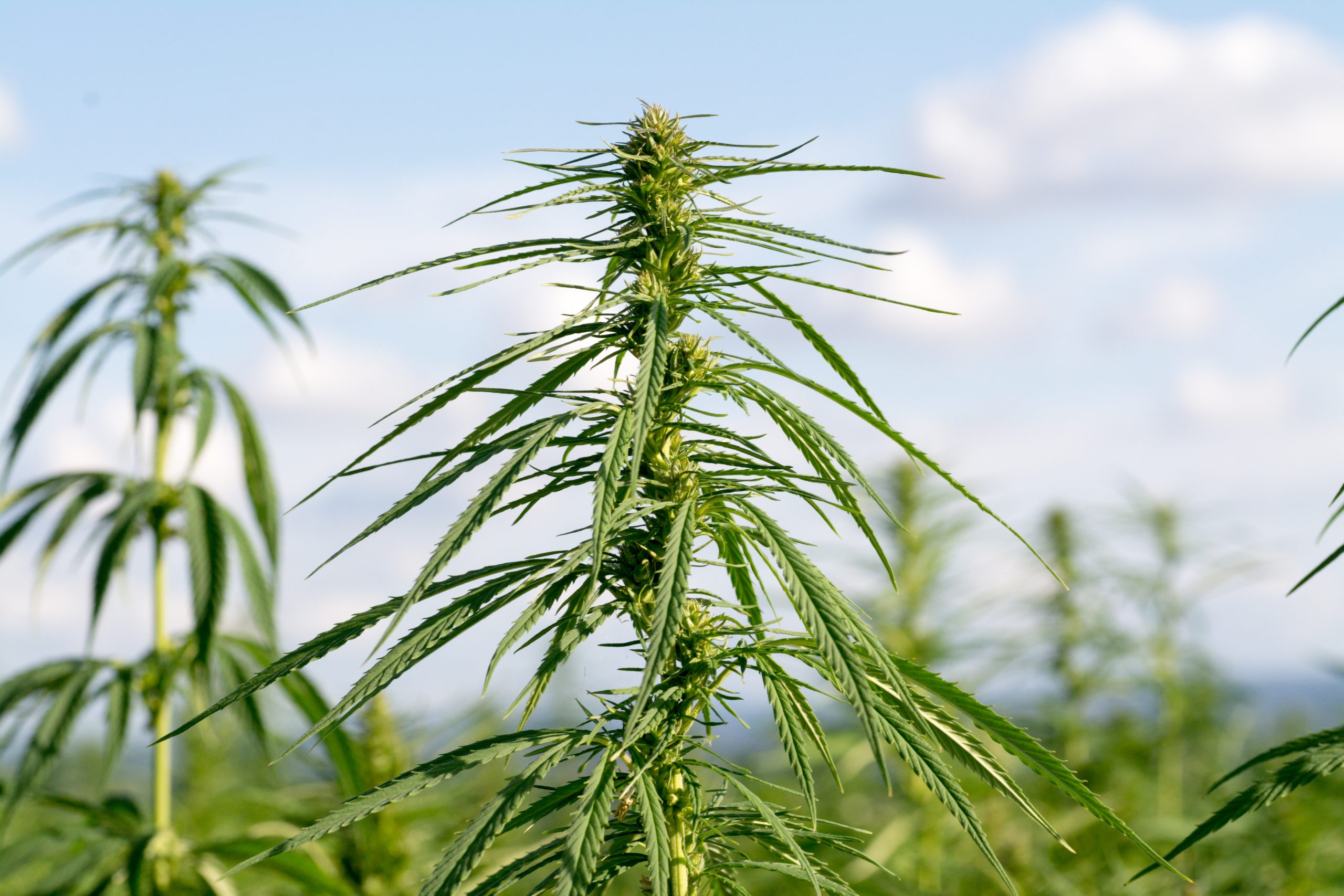
In a closely watched vote, Florida voters rejected Amendment 3, a constitutional amendment that would have legalized recreational marijuana in the state. Despite public endorsements from major political figures, including former President Donald Trump and the Florida Democratic Party, the initiative fell short of the 60% supermajority required for passage, according to projections from NBC News.
This outcome means that Florida’s cannabis laws remain unchanged, preserving the status quo in which marijuana is permitted only for medical use under a physician’s recommendation. The state’s medical program, expanded by voters in 2016, will continue to serve as Florida’s sole legal cannabis framework.
Political Crosscurrents: Trump vs. DeSantis
The fate of Amendment 3 became a flashpoint in broader national political narratives, underscoring tensions between Trump and Florida Governor Ron DeSantis, both influential voices in Republican politics.
- Trump, a Florida resident, publicly announced in September 2024 that he would vote “YES” on Amendment 3, calling for “smart regulations” but expressing support for the measure as a reflection of evolving public opinion.
- DeSantis, on the other hand, emerged as a vocal opponent. He repeatedly criticized the initiative in press appearances, warning of a rise in public nuisance and unwanted cultural changes. In a May 2024 Fox News interview, he stated: “The state would smell like it. We don’t need that in Florida.”
This division created a rare Republican rift over cannabis policy, with DeSantis appealing to more traditional conservative voters, while Trump leaned into his populist base and the growing national acceptance of cannabis reform.
Why Amendment 3 Failed
To pass a constitutional amendment in Florida, ballot initiatives must secure 60% of the vote—a high bar that has derailed other major reform efforts, including abortion rights and minimum wage increases in the past.
While support for cannabis legalization continues to grow nationally, Florida’s attempt was stymied by several factors:
- DeSantis’ aggressive opposition, including strong messaging around public safety and community values.
- The lack of robust bipartisan campaigning for the measure outside of Trump’s late-stage endorsement.
- Uncertainty among moderate voters about the implications of full-scale legalization, especially with regard to retail storefronts and public use.
Florida’s Cannabis Future
For now, adult-use cannabis remains illegal in the Sunshine State. The result is a disappointment for industry stakeholders and advocates who had hoped Florida would become the next major market to join the ranks of 24 states that have legalized recreational use.
Despite the setback:
- Florida still boasts one of the largest medical cannabis markets in the U.S., with more than 800,000 registered patients.
- Advocates may resubmit a revised ballot initiative for a future election cycle, potentially in 2026, when voter turnout patterns could differ.
- Trump’s public backing of legalization could influence future GOP-led cannabis reform, particularly at the federal level, where bipartisan bills like the STATES 2.0 Act are gaining traction.
What’s Next?
Florida’s rejection of Amendment 3 underscores the complexity of cannabis reform in states with high constitutional thresholds and politically divided leadership. While the national momentum continues, the battle in Florida shows that winning at the ballot box still requires coalition-building, early campaigning, and aligned messaging.
As the 2025 legislative landscape unfolds, Florida’s cannabis advocates are expected to regroup, analyze voter data, and prepare for the next round of reform—possibly with Trump’s support still in their corner.
Legalization And Regulations
Bipartisan Lawmakers Introduce Federal Cannabis Reform Bill Aligned With Trump’s States’ Rights Approach

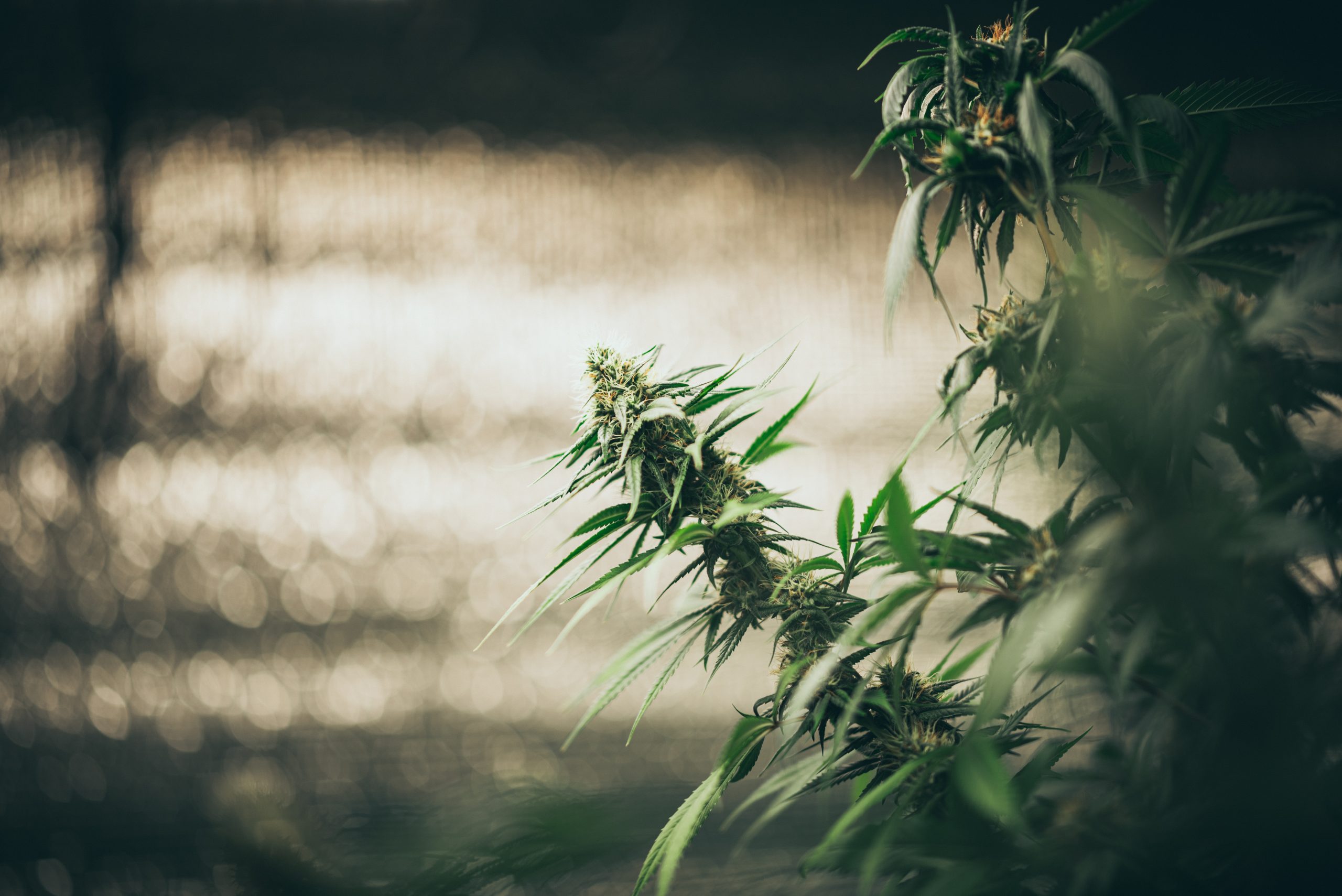
A bipartisan group of congressional lawmakers has reintroduced the Strengthening the Tenth Amendment Through Entrusting States (STATES) 2.0 Act, a sweeping cannabis reform bill designed to end federal marijuana prohibition in jurisdictions where cannabis is legal. Sponsored by Reps. Dave Joyce (R-OH), Max Miller (R-OH), and Dina Titus (D-NV), the legislation would formally respect state-level cannabis policies while establishing a minimal federal regulatory framework for oversight.
The bill’s introduction arrives at a pivotal moment for federal cannabis policy. With support from figures like President Donald Trump, who has endorsed a states’ rights approach to marijuana regulation and voiced support for legalization initiatives during his campaign, the STATES 2.0 Act seeks to codify that philosophy into law.
What the STATES 2.0 Act Would Do
1. End Federal Interference in Legal States
The bill would amend the Controlled Substances Act (CSA) to prevent federal prosecution of individuals and businesses acting in compliance with state or tribal cannabis laws. It would also protect interstate cannabis commerce between legal jurisdictions, an issue becoming increasingly relevant as more states move to establish licensed markets.
2. Exempt Legal Businesses from IRS 280E
A major win for cannabis operators, the STATES 2.0 Act would exempt state-legal cannabis businesses from Section 280E of the Internal Revenue Code, which currently prevents them from deducting ordinary business expenses.
3. Establish a Basic Federal Oversight Framework
Under the bill, the Alcohol and Tobacco Tax and Trade Bureau (TTB) would oversee cannabis commerce across state lines, while the FDA would retain authority over cannabis products marketed as drugs, supplements, or food items. Key federal agencies would be required to finalize rules within 180 days of enactment.
4. Address Public Health and Safety
The bill includes several safety guardrails:
- Restrictions on marketing cannabis products with alcohol or tobacco.
- Prohibitions on employing minors in cannabis operations.
- Mandated contaminant testing and youth prevention strategies.
It also calls on the Government Accountability Office (GAO) to study the effects of legalization on traffic safety and provide a report to Congress.
Why This Matters
Cannabis reform advocates have long called for legislation that harmonizes federal policy with state legalization. The STATES 2.0 Act represents a significant step in that direction. With 24 states legalizing adult-use cannabis and 39 allowing medical use, the bill would offer legal clarity, tax relief, and a foundation for interstate commerce without mandating nationwide legalization.
This approach echoes President Trump’s stated position on cannabis: allow states to determine their own policies while limiting federal interference. During his campaign, Trump supported rescheduling cannabis and expressed approval of legalization initiatives in Florida, although no federal action has been taken yet under his second term.
Bipartisan Support and Industry Endorsements
This iteration of the STATES Act retains the core provisions from earlier versions introduced in past sessions. It’s backed by a broad coalition of advocacy and industry organizations, including:
- Coalition for Cannabis Policy, Education, and Regulation (CPEAR)
- R Street Institute
- Americans for Prosperity (AFP)
- U.S. Cannabis Roundtable (USCR)
- Reason Foundation
These organizations argue that the bill provides necessary clarity for businesses, law enforcement, and consumers while respecting state sovereignty.
Limitations and Challenges
Despite bipartisan support, the White House has signaled no immediate plans to prioritize cannabis policy in 2025. This includes rescheduling, banking reform, and other issues long championed by the industry.
Additionally, although the STATES 2.0 Act addresses several key industry concerns, it does not create a national legalization framework, nor does it mandate a federal excise tax. It instead recommends that any federal tax be modest and not layered on top of already-high state taxes to avoid financial burdens for legal businesses.
The legislation also explicitly maintains federal authority over violations of state law, ensuring that rogue actors or those skirting local regulations would still be prosecutable under federal law.
What Comes Next?
The STATES 2.0 Act’s path through Congress remains uncertain. While the bill aligns with the administration’s articulated stance and enjoys support across the aisle, passage will depend on committee prioritization, party leadership, and broader congressional appetite for cannabis reform amidst competing legislative priorities.
Still, the measure represents the most comprehensive and politically viable effort to date to reconcile federal and state cannabis laws without pushing for full national legalization. As lawmakers revisit cannabis regulation in 2025, the STATES 2.0 Act stands as a key bellwether for the direction of federal cannabis policy.
Legalization And Regulations
Rhode Island Finalizes Cannabis Regulations Ahead of Full Market Transition

Rhode Island is entering a pivotal phase in its cannabis market evolution. With the approval of final regulations by the state’s Cannabis Control Commission (CCC), the state is set to formally transfer full authority over both the medical and adult-use cannabis sectors to a new centralized regulatory body. This transition, taking effect on May 1, 2025, marks a major milestone in the state’s implementation of the Rhode Island Cannabis Act.
The CCC’s final vote on April 11 signals the end of a two-year period of preparation and public input, laying the groundwork for a more unified and accountable governance structure for the state’s cannabis industry.
Centralized Oversight Replaces Fragmented Structures
One of the most significant changes introduced by the new regulations is the full consolidation of cannabis oversight under the CCC. Previously, the state’s medical cannabis sector had been managed by the Office of Cannabis Regulation (OCR) within the Department of Business Regulation. As of May, that office will be restructured into the Cannabis Office, a newly created entity within the CCC tasked with managing day-to-day operations.
This streamlined oversight model mirrors similar governance structures seen in other states that have transitioned to regulated dual-use cannabis markets. Centralized control is expected to improve compliance monitoring, licensing efficiency, and policy enforcement—while reducing bureaucratic overlap.
What the Final Regulations Cover
The new rules represent a comprehensive regulatory framework that spans every sector of the cannabis market, including:
- Licensing and application procedures for cultivators, manufacturers, retailers, and testing laboratories
- Operational compliance standards, covering inventory tracking, security protocols, and packaging requirements
- Product safety and testing rules, including potency limits, contaminant screening, and labeling
- Personal and medical cultivation guidelines, specifying plant limits and household usage
- Retail and public consumption policies, focused on safety, zoning, and consumer education
The regulations were crafted following a public comment period that drew nearly 400 submissions from individuals, advocacy groups, and industry stakeholders. Feedback played a key role in shaping the rules around equity, access, and safety—core pillars of Rhode Island’s approach to cannabis reform.
Focus on Social Equity and Public Health
Equity remains a central theme throughout Rhode Island’s cannabis policy. The finalized rules incorporate provisions that aim to level the playing field for those impacted by decades of prohibition. The Social Equity Assistance Program and Fund is designed to provide resources, support, and access to capital for eligible applicants, especially those from communities disproportionately affected by cannabis-related arrests.
Beyond licensing equity, the regulations emphasize consumer safety and public health protections. All cannabis products must meet stringent quality standards and pass third-party laboratory testing. Child-resistant packaging, transparent ingredient disclosures, and restrictions on marketing to minors are all core components of the new compliance framework.
Operational Implications for Rhode Island’s Market
For existing operators and new market entrants, the new regulatory landscape brings both structure and opportunity. Businesses will be required to meet the updated standards across licensing, operations, and product handling. While this may involve transitional costs and procedural adjustments, it also signals the arrival of a more stable and transparent environment for long-term investment and innovation.
Market watchers anticipate that clearer rules will also boost consumer confidence, especially among those previously hesitant to engage with legal cannabis channels. With retail access already expanding in parts of the state, the formal implementation of these rules could accelerate market normalization and growth in underserved areas.
Looking Ahead: Implementation and Adaptation
While the CCC’s final regulations provide a detailed roadmap, implementation is only beginning. As of May 1, enforcement responsibility will shift fully to the Cannabis Office, which is expected to roll out compliance checks, licensing updates, and additional education initiatives for both consumers and operators.
Continuous adaptation will be key. As Rhode Island’s cannabis landscape matures, the CCC is expected to revisit regulations regularly to ensure alignment with industry trends, emerging technologies, and evolving public health data.
Importantly, this transition occurs during a period of national cannabis policy fluidity. Federal reclassification debates and shifting enforcement priorities mean that state-level systems like Rhode Island’s must remain agile while maintaining rigorous standards.
Conclusion
Rhode Island’s approval of final cannabis regulations signals more than administrative change—it reflects a broader commitment to building a fair, secure, and scalable cannabis ecosystem. By bringing the entire market under one regulatory roof, and embedding equity and accountability into its core policies, the state positions itself as a model for thoughtful cannabis governance.
As the May 1 transition approaches, Rhode Island’s cannabis stakeholders—patients, entrepreneurs, regulators, and consumers—will be watching closely to see how the framework functions in practice. If successful, the new structure could provide a replicable blueprint for smaller states looking to balance innovation with oversight in the emerging cannabis economy.


3 Must-Visit Dispensaries Changing the Cannabis Game in California

3 Underrated Dispensaries in California That Deserve More Hype

3 Low-Key Dispensaries in California With Top-Shelf Weed

Top 15 U.S. States by Cannabis Sales Per Dispensary in 2024

3 New Mexico Dispensaries That Make You Want to Stay and Explore

Hemp-Derived THC Drinks Attract Big Players Amid Rising Demand and Regulatory Tension
